Nora Lester Murad - The View From My Window in Palestine

  • About Me
    • Bio
    • Contact Me
    • Sign up for updates
  • My Writing
    • Life Under Occupation
    • Video/Radio
    • Guest Posts
    • Aid and Development
    • Gaza!
    • Palestinian Literary Scene
  • My Books
    • Resisting Erasure
    • Ida in the Middle
    • Rest in My Shade
    • I Found Myself in Palestine
  • Shop
  • Email
  • Instagram
  • LinkedIn
  • Twitter
  • YouTube

Another Chapter of Palestinian Olympic History

July 22, 2012 by Nora Lester Murad

Amani Awartani, coach of the Palestinian Olympic Swim Team, told me this story with all the drama and intrigue of a Turkish soap opera, and it is my pleasure to share the inside story with you.

Amani:

“I left Palestine for Portugal on the sixth of June for the pre-Olympic open water contest. It was the first time Palestinians participated in such an event, because we don’t have access to our sea, so we can’t train in open water. It was very exciting.

I had asked a friend to look for people in Portugal to cheer for Palestine, and was thrilled when the Palestinian ambassador to Portugal, Mufid Shami, called me. He even came to the airport when I arrived, and the next day he came to my hotel and said how great it was to have Palestinians competing in Portugal.

At the beginning, I was frustrated. I am a very social person. I like to talk to people of different backgrounds. But the other teams don’t even say ‘hello’ – even if they’re sitting right next to you. The Russians stay together. The Spanish speakers stay together. There were some Arabs, but once you overcome the language and culture, there are still personality differences. I think some of the coldness was cultural differences, but some was the competitive environment. I tried to be nice, but in the end, you can’t care too much about the others.

FINA (the Fédération Internationale de Natation – the world governing body for the five Aquatic Disciplines of swimming, diving, water polo, synchronized swimming and open water swimming) delivered technical information about the swimming course. It was very nice meeting. Then, every day there were two rounds of training: morning in the pool and afternoon in the sea so the swimmers could learn the routes.

At one point, I met the Egyptians, who were very friendly and helpful. It was my first time in such a huge event. They told me I would have to get on the pontoon (a floating dock) with a feeding stick in order to feed Ahmed as he swam. I had no idea! The Egyptians kept saying, “They didn’t tell you about the rules?” I did read the rules, but didn’t see the feeding stick. It wasn’t mentioned. I guess they thought it was our 20th time, but it was our first time in open water. Everyone else had previous experience so they thought it was known. But I didn’t know the trainer had to be on the pontoon to feed the swimmer! Thank goodness the Egyptians told me!

I was panicking a lot because I didn’t know what I was supposed to be doing. I didn’t have a feeding stick. I had never heard of a feeding stick before. So Ahmed Gebrel, my swimmer, and I went downtown and were very inventive. I bought a fishing pole and attached a bottle with water tape to the stick part. We were very inventive.

The rules are that if Ahmed touches the feeding stick while in the water, he is disqualified. If I bump into another swimmer, he and I are disqualified. If I fall into the sea, I disqualify him immediately. Since the pontoon is in the middle of the sea and the swimmers are swimming around it, it’s bumpy. There were 61 trainers on the pontoon! There are five rounds in the pre-Olympic open water contest. Each round, the swimmers swim to us on the pontoon to eat, but thank goodness, they didn’t come as a group so it was a little less pressure. One of the Egyptians was kind enough to offer to sit next to me and make sure that I didn’t fall into the sea. I was scared like hell that I get would disqualified.

On the day of the competition, the weather was terrible, of course. It was raining in the morning and freezing. In water it was about 17 degrees. Lots of swimmers dropped out of the second round because of the cold. But Ahmed completed all 5 rounds. He came in 48th of 61. He was 5th in Asia. China was behind us. Hong Kong was behind us. I was so relieved to see him get out of the water. But it’s a huge place, and when he finished, he went off with the swimmers to land, and the trainers went to land after them. I went to the tent where he was supposed to be and I waited. I started worrying after half hour. I searched for him and asked everyone ther, but nobody had seen him or knew where he was.

I told the FINA personnel and volunteers to search. After more than 90 minutes a volunteer asked for me. I was holding back tears. I felt sick. Then they told me Ahmed was in the recovery area with hypothermia and all his sugar had burned off. They had to give him 2 kilograms of glucose. After two hours of treatment, and after they put his clothes in the microwave, he felt better. And I felt better.

Some people may be disappointed that we came 41st of 61, but it was a success! Ahmed finished the entire five-round competition, and that’s amazing. So many swimmers couldn’t make it and dropped out. But Ahmed finished 10 kilometers in freezing water without any fault. That’s nothing to be disappointed about!

Unfortunately, some things did happen that pissed me off. One person tried to use influence to put his son in as an Olympic competitor in Ahmed’s place, but he didn’t get away with it. There was also a mix up between FINA and the Universality people, so Ahmed was taken out of the 50-meter race that he’s been training for, and he’ll be swimming in the 400-meter race instead. We even had to change flights because of that. But Sabine, our other swimmer, will still swim in the 50-meter.”

From the 21st to 27th of July they train twice a day in Olympic village pools. The Olympic Solidarity Committee funds both swimmers and the Palestinian National Olympic Committee funds Amani. Ahmed will swim directly after opening on July 28. Sabine swims on August 3.

I’ll be watching and cheering for the Palestinian team. Will you?
Interview with Amani Awartani, part two

July 19, 2012 by Nora Lester Murad

I have to be honest: I don’t like sports. I’m just not interested in watching other people play games. But Amani Awartani, coach of the Palestinian Olympic swim team, weaves a story of gender, international politics, cultural pride, and personal challenge. Through her eyes, I see the upcoming Olympics as a significant milestone for Palestinians and the rest of the world – and a lot of fun.

Did you know that Palestine was recognized by the International Olympic Committee in the 1930s? That Palestine is listed on the official website of the Olympic movement? That there is a Palestinian Olympic Committee?

In fact, this is the fifth time that Palestinians have taken part in the Olympics, the first being in 1998. Since Palestine isn’t a state, Palestinians have to compete in the World Championships that are held before the Olympics and win points that make them eligible as “participants.” Until now, all the Palestinian competitors have been swimmers.

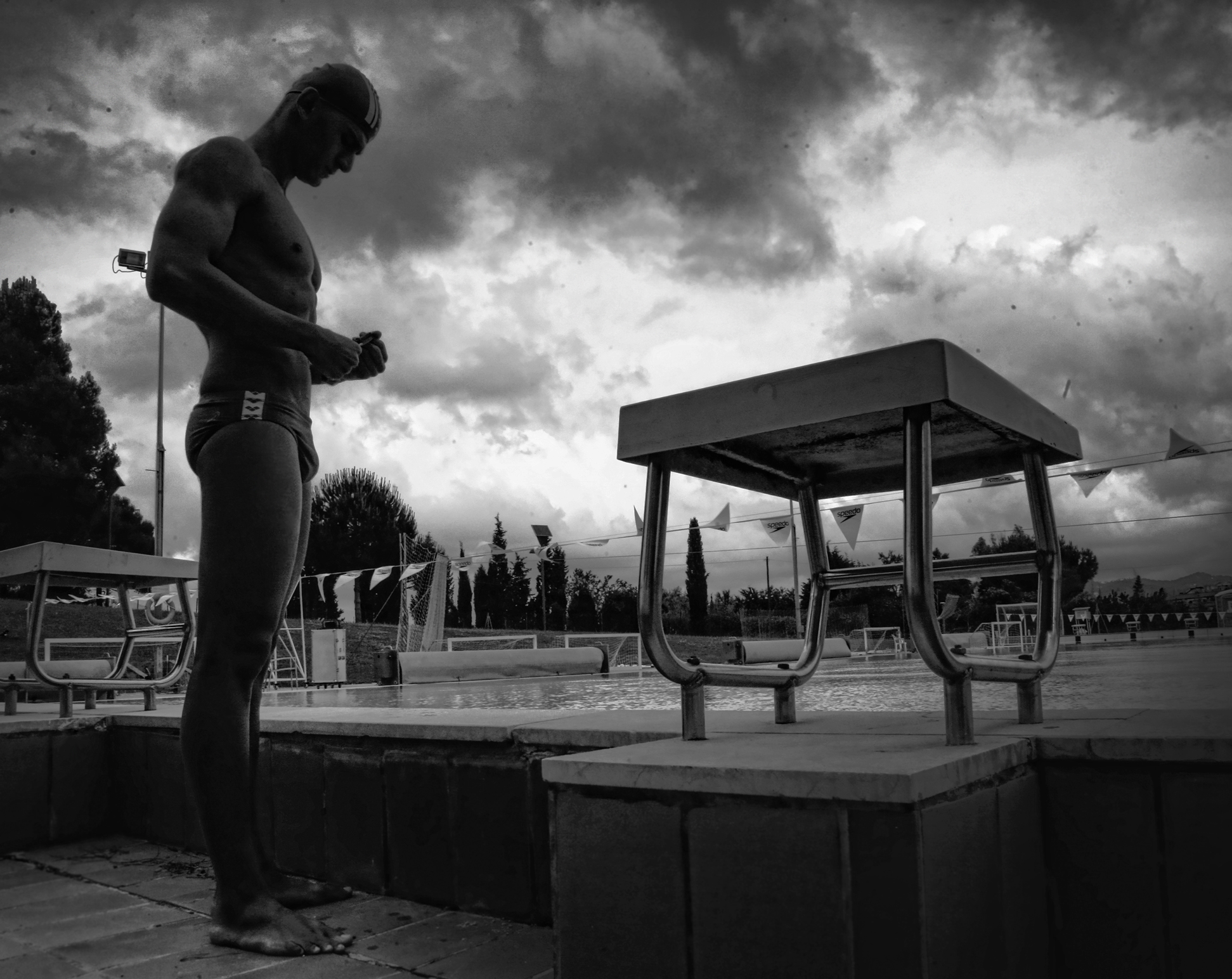
Ahmed Gebrel, Olympic Swimmer

“This is the first year we have a ‘qualified’ competitor,” Amani explains. Maher Abu Rmaileh from Jerusalem competes in Judo. She adds quickly, “You can still win a medal if you participate by winning points and are not considered a qualified competitor.”

Since there are Palestinians all over the world, I asked Amani if Palestinians in the diaspora can swim with the Palestinian team. “Sometimes we are contacted by Palestinians in the US or elsewhere who want to swim with us. It is allowed as long as they aren’t registered as swimmers in another country But generally we refuse, even if they might bring us medals. We want to give local people a chance first.” Her voice trails off as she adds, “Maybe later we could include them in the national team, but how could we support them without funding?”

Although she is coach of the Palestinian Olympic swim team, Amani doesn’t actually train the Palestinian competitors for the Olympics. Ahmed Gebrel, a Palestinian refugee in his twenties who lives in Egypt and Sabine Hazboun, who is only eighteen years old, have been living and training in Barcelona. “Sabine missed her Tawjihi, the last year of high school, in order to train,” Amani said, clearly proud of Sabine’s commitment. Expenses, including funding for their coaches, were provided by the Olympic Solidarity Committee. But next year they’ll have to raise funds themselves.

Sabine Hazboun, Olympic Swimmer

Amani tells the story with such enthusiasm, I nearly pulled out my wallet to make a contribution. In fact, I was so taken by her passion, I almost jumped onto the table at the Zaman Cafe in Ramallah where we were talking to do a little cheer.

“Although this is voluntary work, I want to do my job 100%. We’re a team. I want the team members to know I am always there for them. I tell them: ‘You swim, and I’ll take care of the rest,’” Amani says.

Amani’s own children enjoy swimming. Her son used to sneak into Jerusalem to swim, since he doesn’t have a permit, but he didn’t want to pursue it competitively. Her daughter enjoys recreational swimming, but is more serious about football and, more recently, ballet.

“Everybody has his own thing. As for me, I find it a tremendous honor for us to be standing in front of the world, recognized as Palestinians. It’s overwhelming.”

But the best part of this story is yet to come! Do you know what a feeding stick is? Check back here to find out.

Interview with Amani Awartani, Coach of the Palestinian Olympic Swim Team

July 18, 2012 by Nora Lester Murad

Amani Awartani, Coach of the Palestinian Olympic Swim Team, smiles triumphantly as she recalls her first swim competition. Although in those days it wasn’t considered appropriate for girls to swim in mixed-gender competitions, she swam anyway. Amani came in first in freestyle and second in breast stroke.

Then came the first Intifada. “There were curfews. Everything was upside down,” she remembers. Amani was not able to pursue her swimming ambitions. She never competed again.

But no one can doubt that Amani is still an athlete. Besides her tall, strong physique, she oozes an enthusiasm for sports that is infectious.

Amani Awartani, Coach, Palestinian Olympic Swim Team

“Swimming was new, then,” Amani reminisces. “There was a group of young men from Jerusalem who were instructors. They started teaching others how to train. For cultural reasons, men can’t train women, so that gave me an opportunity. I trained the women.”

Amani became a trainer when she was only eighteen. She also taught swimming to three and four-year-olds for two years. “They were sweet but exhausting,” Amani confesses.

Palestinian participation in the Olympics came later. A German man from FINA, the international governing body of swimming, visited the Palestinian Swim Federation, a post-Oslo volunteer organization that oversees swim training, the pools, sponsorships, and competitions. It was around 2007 or 2008. Amani joined the Palestinian Swim Federation.

Volunteers with the Palestinian Swim Federation learned how to put together a real training program. “Training is tailored for each race. For the 50 meter, you need speed, so you practice jumping, train for speed on land, speed in the pool. But for the 10K race, you need endurance. The training is different.”

According to Amani, people who swim for speed and people who swim for distance have different kinds of personalities. The speed swimmers have to deal with pain and the distance swimmers have to deal with exhaustion. Both have to be determined.

Even today, although the competitions are mixed, men and women train separately. And there are still many more boys than girls. “Overall, the sport of swimming still isn’t very popular in Palestine,” Amani laments. “One problem we have is that our pools are almost all outdoors. That means you can only train about three months each year. Even the few indoor pools—at the YMCA in Jerusalem and Bethlehem—aren’t good enough. They are only 25 meters long. There are no 50 meter pools anywhere in Palestine.”

There are rumors that the Palestinian Authority may build a 50 meter pool in Jericho and Amani hopes they’ll allow competitive swimmers to train there. Unfortunately, there isn’t very strong advocacy for swimmers in Palestine. The Palestinian Swim Federation was reorganized in 2012 and, due to some internal conflicts, they have to start to build their systems from scratch. They plan to hold competitions to record times for swimmers all over the West Bank and Gaza, to rebuild the database that is used to determine eligibility for competitions in the future. But even this simple activity has been scheduled and cancelled and rescheduled and is fraught with conflict and rumors of corruption. Moreover, although there have been many gains in the sport, Amani is still the only woman in the entire Palestinian Swim Federation.

Check back for the next part of this interview to learn about Palestinian participation in the Olympics. Meanwhile, leave your comments!

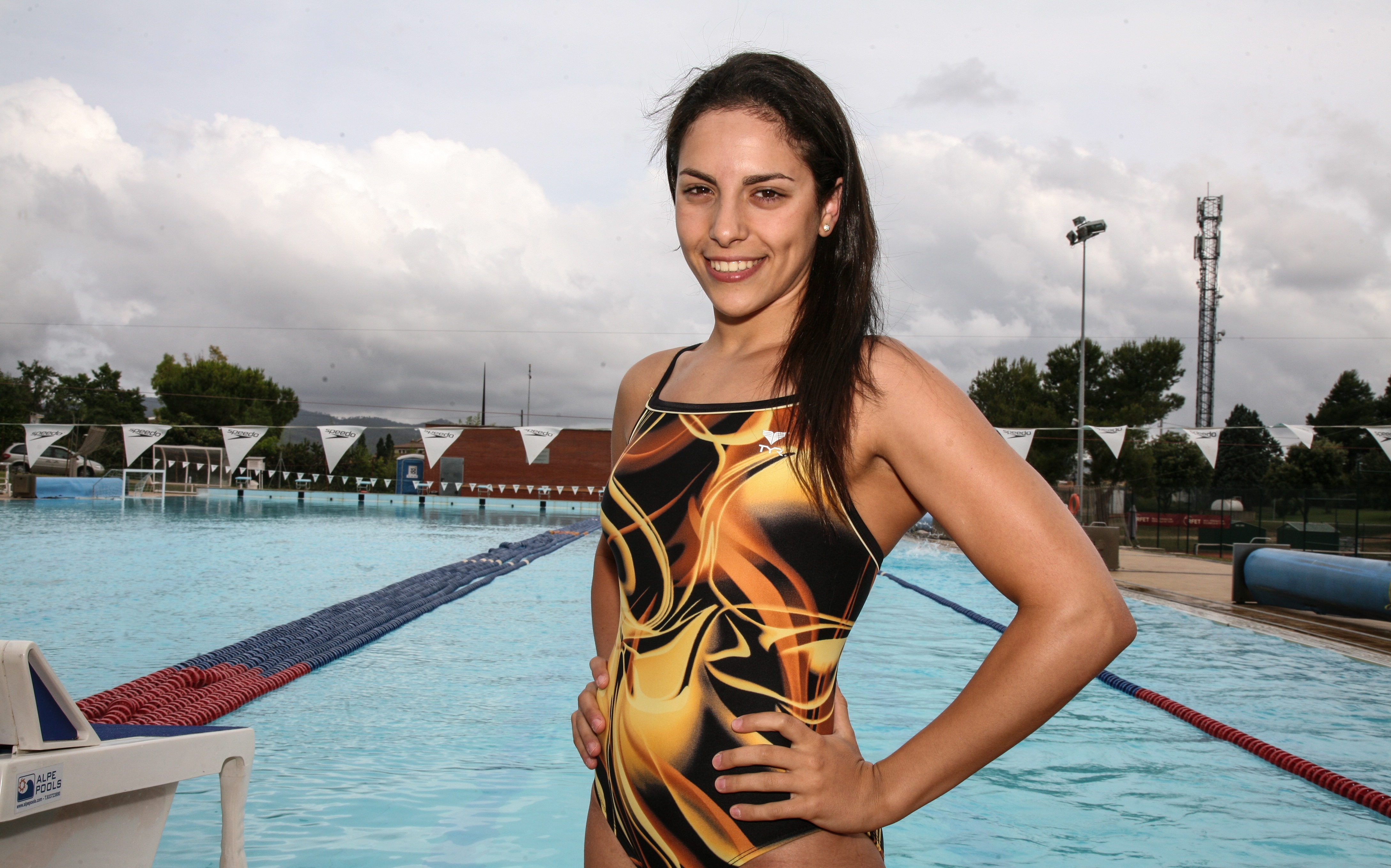
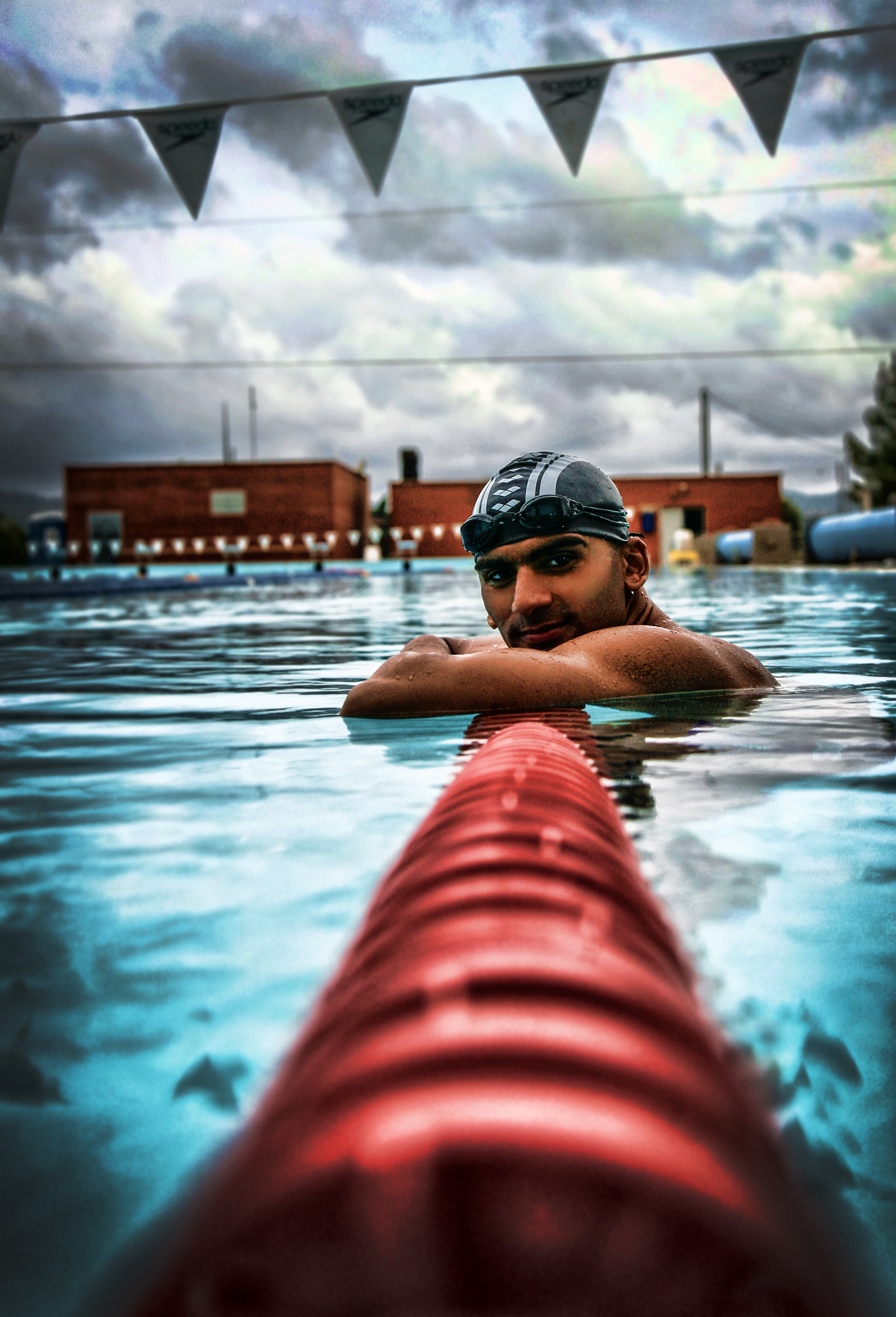
Who Are These Gorgeous Palestinians?

July 17, 2012 by Nora Lester Murad

You’ll have to come back soon to find out!

(Hint: Photos are printed with the permission of the Palestinian Olympic swim team coach.)

Normalization with Israel: Is it a Good Idea?

July 14, 2012 by Nora Lester Murad

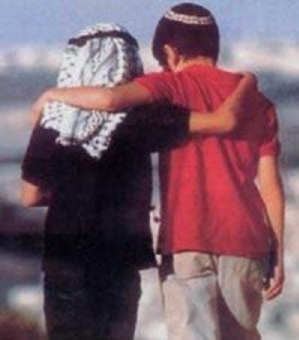
“Normalization” is a much-misunderstood word. Essentially, normalization refers to activities that make relationships (e.g., cultural, business, academic, etc.) between Palestinians and Israelis “normal” and not defined by conflict.

Normalization sounds like a good idea, doesn’t it? Palestinians and Israelis studying together, dancing together, playing sports together, engaging in joint business ventures — aren’t these good?  If Israeli and Palestinian relationships become “normal,” won’t the Palestinian-Israeli conflict end and won’t peace reign in the Middle East?

Source: Common Ground Blog

But most of the Palestinians I know are adamantly against normalization, and while many internationals think it’s because Palestinians don’t like Israelis as people, that’s not the reason. The reason why Palestinians (and me) are against normalization is because it’s pursued as a substitute for a political settlement. Moreover, many of these efforts are shockingly naive. I’ve spoken to people who want to do joint Israeli-Palestinian acupuncture, Israeli-Palestinian meditation, and other activities that sound harmless, but scratch a bit and you’ll often find a colonial attitude underneath: “I will bring Palestinians and Israelis together and they will realize that we’re all human beings and the conflict will be ended through my intervention!”

This week, I had occasion to attempt to influence an internationally-known cultural figure who wants to initiate joint Israeli-Palestinian cultural activities. This is what I shared in my note to her:

There are essentially three related reasons not to bring Palestinians and Israelis together for cultural activities:

1-There is no “cultural” problem between Israelis and Palestinians. There is only a political problem.
Joint cultural activities distract from conflict resolution rather than contribute to it. They come from an erroneous analysis that we need to advance personal relationships between people BEFORE we resolve conflict when, in fact, we cannot advance personal relationships between people UNTIL we resolve the conflict. This is because the problem is not one of misunderstanding, but rather, structural inequality. Can you imagine bringing slave owners and slaves together to dance? No. You would have to end the structural inequality first and then folks could dance together. Now, Palestinians are not slaves, but there are currently 2.5 million Palestinians under military occupation in the West Bank, another 1.5 million under occupation and blockade in Gaza, and another 1.5 million who are colonized as second class citizens inside Israel. The rest of the 11 million Palestinians worldwide are refugees, dispossessed of their internationally enshrined rights by Israel’s unwillingness to abide by UN resolutions. This is structural inequality. I hope there will be a time when we can all dance together, but now is not that time.

2-Joint activities are over-funded and have lost credibility.
Unfortunately, there are many, many people who hold the fantasy of bringing Palestinians and Israelis together and then magically, one or the other group will say, “I’m sorry” and the conflict will be over. That’s one reason why there is so much funding for joint activities, like summer camps, theater projects, etc. Another reason is that some governments (the US included) invest in joint cultural activities precisely because they are irrelevant to conflict resolution. They don’t want all-out war, but they profit greatly from the lack of peace. The Israelis, who cannot get international development aid since they aren’t a “developing country”, run around looking for Palestinians to sign on as “partners” (usually on paper only) in order to access the funds that are set aside for joint “peacebuilding.” It’s an industry, a scam. For this reason, most of these activities have been discredited, and that makes even the genuine ones suspect.

3-There is a cultural boycott against Israel.
One of the most important Palestinian, nonviolent civil resistance activities ever is the movement for Boycott, Divestment and Sanctions (BDS). It is patterned after the international boycott against apartheid in South Africa, which, along with the local grassroots movement, played a major role in isolating South Africa to the point where Apartheid was too costly and power-sharing became a viable alternative. The PACBI website now features Alice Walker’s refusal to re-publish Color Purple in Israel until the occupation is over. There is also a campaign against Circe du Soleil because they are performing in Tel Aviv in violation of the cultural boycott. Many big stars are boycotting, and many others who have performed in Israel despite the boycott have been subject to international media campaigns.

What do you think? Should internationals support the Palestinian call for an end to normalization ? Or is normalization the path to peace? Should internationals support Boycott, Divestment and Sanctions? Or does the BDS movement exacerbate the conflict?

Water Torture

July 9, 2012 by Nora Lester Murad

Gideon Levy, one of Israel’s best journalists, just published an article in Haaretz newspaper exposing the Israeli practice of confiscating water containers from Palestinians and Bedouins in the Jordan Valley. I thank Sam Bahour of ePalestine for bringing the article to my attention. Since we’re on the topic of water, I thought it would be helpful to direct your attention to the article, which even I found quite shocking. Can human beings really deny other human beings the water they need to drink in order to live? Well, after you read the article, watch this short, excellent video on +972, produced by an Israeli NGO, about the water shortage in Al-Dik, a Palestinian village.

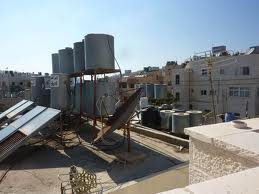
Palestinian buildings in my neighborhood have water tanks; the adjacent Israeli settlements don't (presumably their water isn't frequently cut off)

In fact, these types of injustices happen all the time and they are documented, in Hebrew and English, in the Israeli and international press by both Israeli and international journalists. So, Israelis can’t say they don’t know what’s going on, and neither can we.

Please click “leave comment” to the left of this post to share your views.


Israeli Mosquitoes and Palestinian Mosquitoes

June 20, 2012 by Nora Lester Murad

There are two kinds of mosquitoes.

One kind of mosquito bangs around the corners of my bedroom ceiling, pretending to be a victim of incarceration, but clearly enjoying the attention he’s getting by keeping me awake. This type of mosquito doesn’t have to bite; he just bangs around joyfully until I can’t tolerate his sleep deprivation torture tactics. Then, with great drama, he dive bombs next to my ear, sometimes even playing in my hair! I startle awake just in time to hear (but rarely see) him banging happily against the ceiling again, buzzing in very high volume. This kind of mosquito looks dumb but is incredibly smart. He harasses and harasses until I put the covers over my head and suffocate myself, self-torture. This is the Israeli mosquito.

The other kind of mosquito is Palestinian. He’s completely quiet and invisible. Then he bites. Hard! He bites over and over again, hurting me both physically and emotionally. Why does he bite me? Have I not given my life to the struggle for Palestinian rights? Am I not his greatest ally? Could he really be so stupid to seek to harm his own community?

Both Israeli and Palestinian mosquitoes infuriate me. I become violent. I become someone other than who I want to be. I forget my own priorities and options (I could move to another room?) and shamefully reduce myself to a shallow being with one focus in life – to kill the mosquito. When finally, I see him, laughing at me on the wall near my headboard, I reach for the towel I keep under my bed for this very purpose.

I whack the m-f mosquito and feel a rush of accomplishment, validation, and self-worth as the mosquito splats on my wall spreading my blood in a surprisingly pretty Rorschach pattern. But then, when I wipe off the blood, there is a large white spot where the cheap yellow paint has diluted with a few rubs of water on a tissue. And that’s when I realize that it’s three o’clock in the morning and I’m destroying my own property.

I do not know which kind of mosquito causes the huge, itchy, stinging welts that last for days all over my legs and arms. I suspect they both do.

I wake up exhausted. The mosquitoes have succeeded again in ruining life’s small pleasures and sapping the energy I have for all things other than revenge.

(Yes, in my world, all mosquitoes are male.)

Introducing My Co-Author, the Brilliant Danna Masad

June 18, 2012 by Nora Lester Murad

Today, a Palestinian police officer tried to give me a ticket because my car was too dirty. A little while later (presumably in protest), my car died just as I was at the checkpoint — my passport in the soldier’s hands!

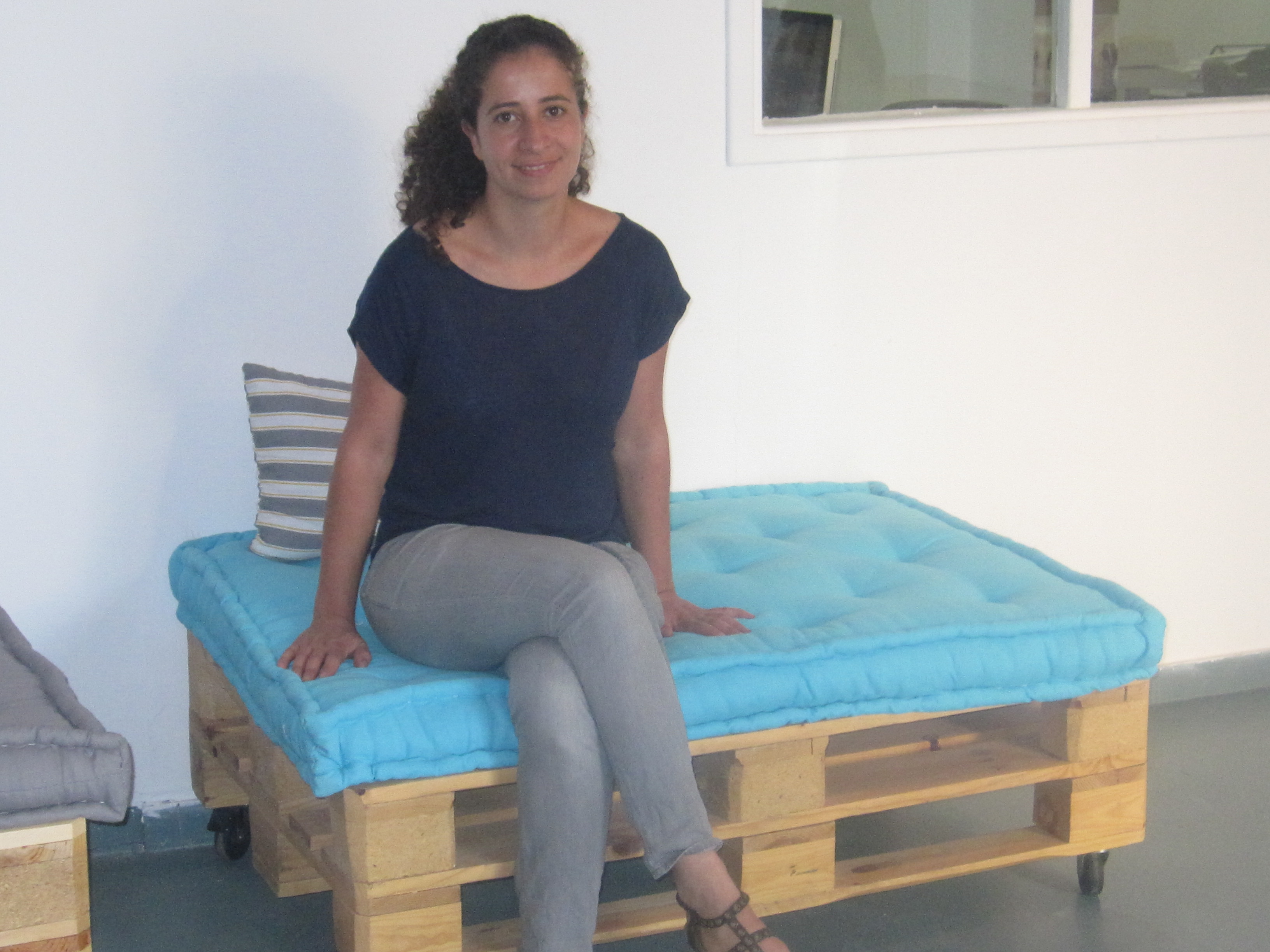
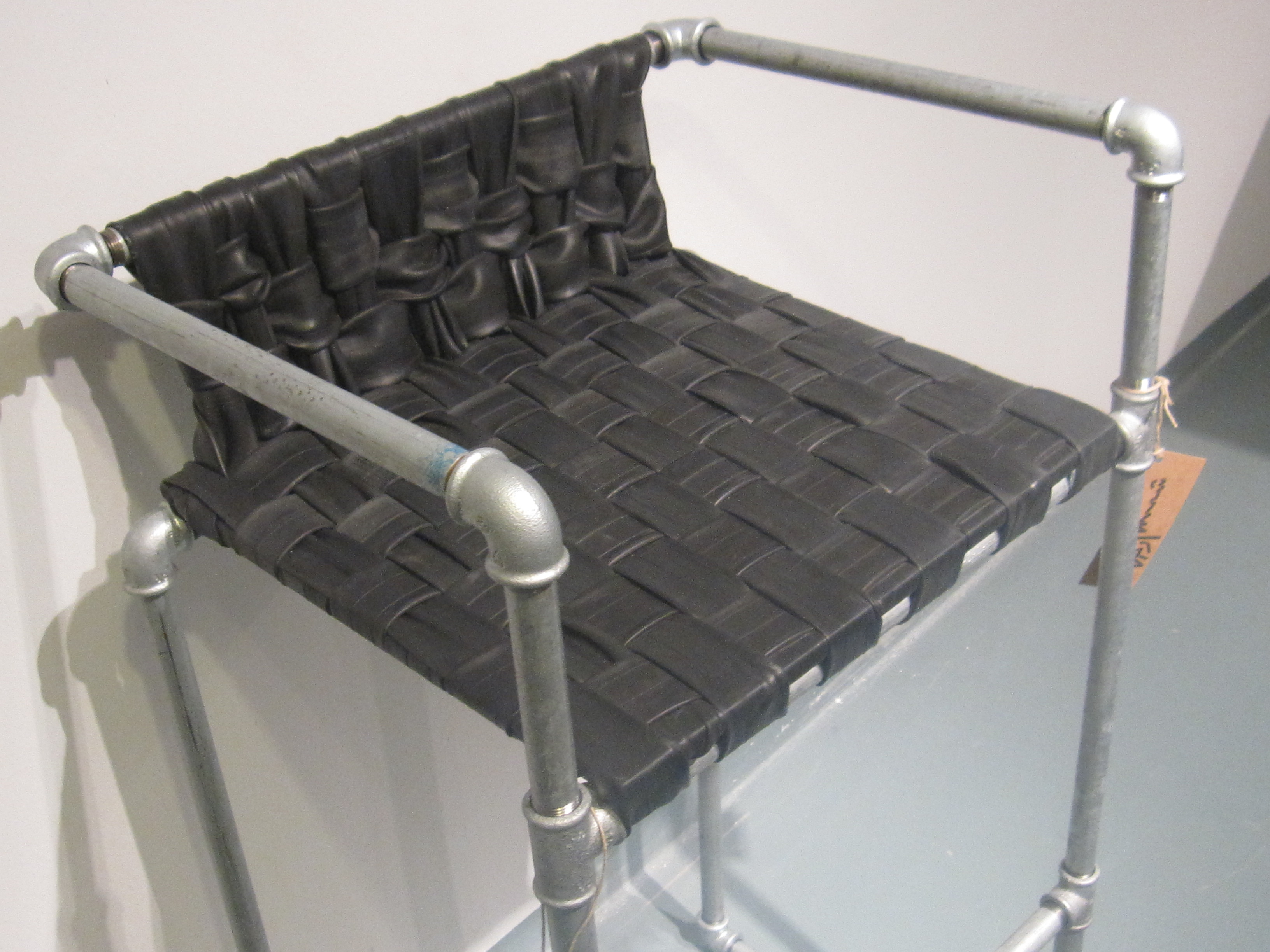
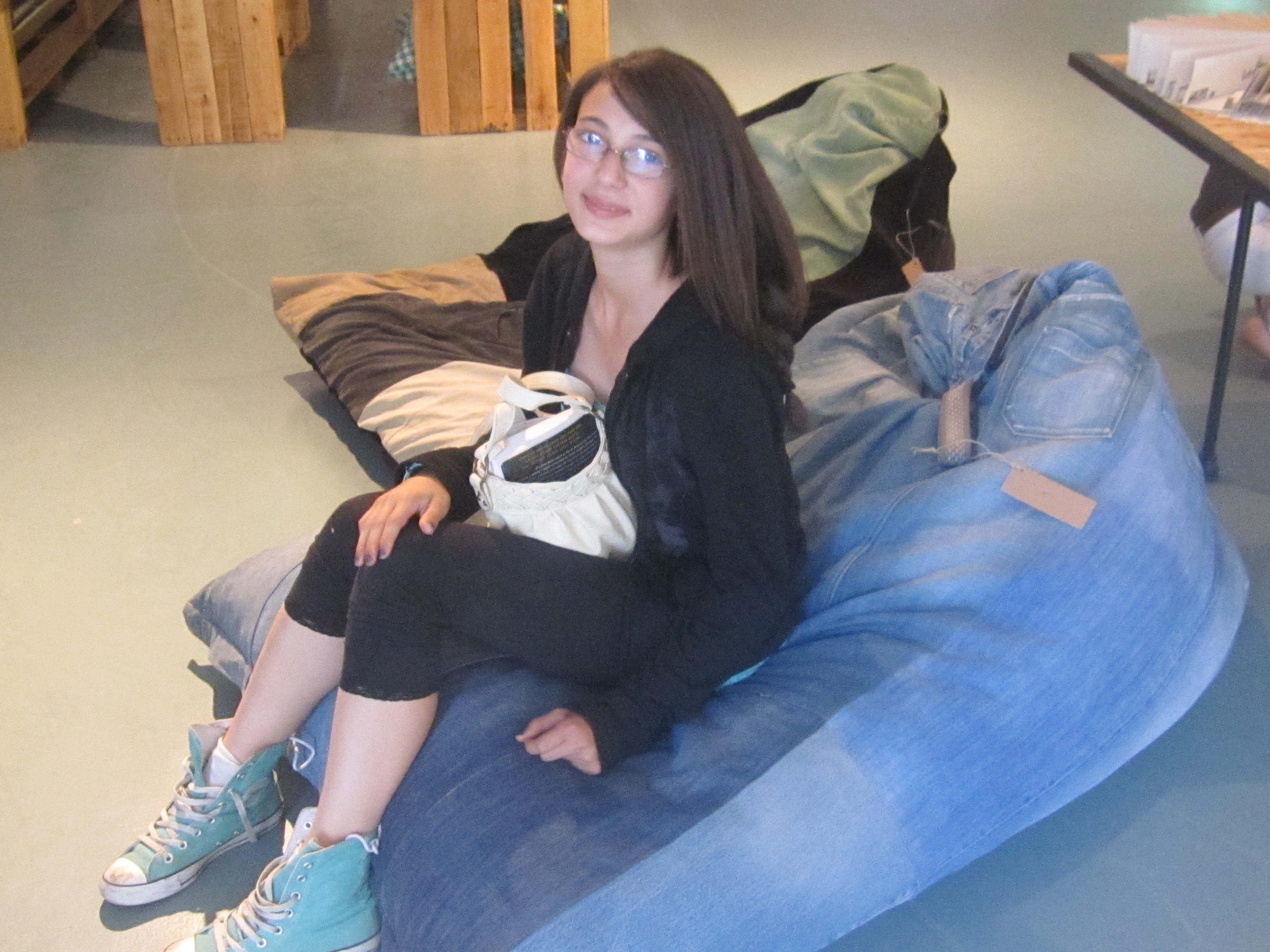
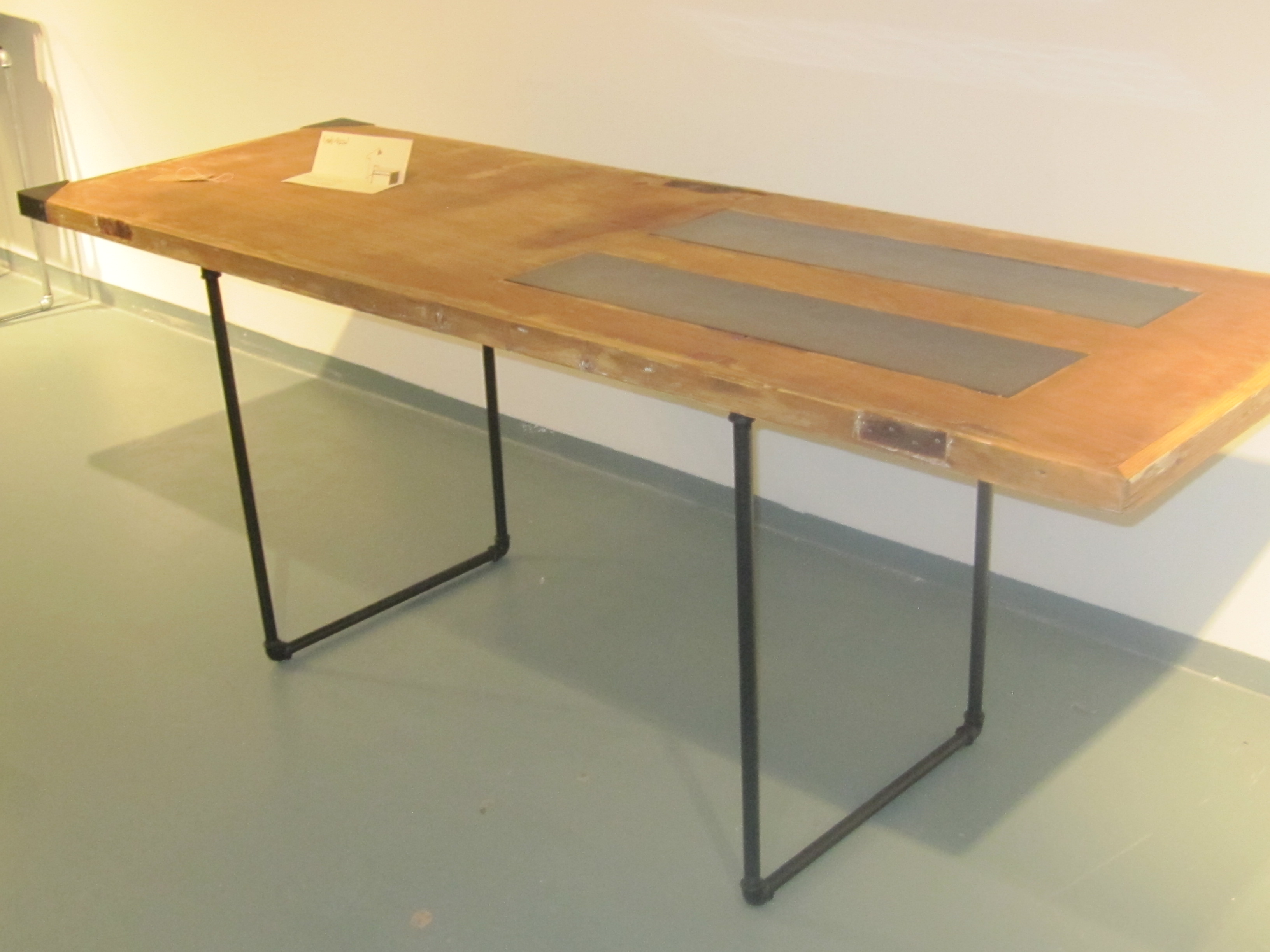
But nothing can bring me down from the joy of seeing my friend (and my co-author of the soon-to-be-published-we-hope picture book, “Because it is Also Your Story”) in her first public exhibition called, “Experiment #1. She and three other brilliant young Palestinians make beautiful furniture  from trash.


Here is Danna  sitting on a stylish seat made of discarded packing crates and covered with an attractive cushion made by a local artisan.


High bar chair made of old water pipes with a woven seat made of discarded inner tubes.

  This is a very comfortable “beanbag” chair. It’s made from thrown-away blue jeans and stuffed with old, foam packing pellets.


The picture does not do this justice! It’s a lamp made from a broken shower head with a lamp shade made from a loofah.


A beautifully finished table made from a door they found in the street atop old water pipes.


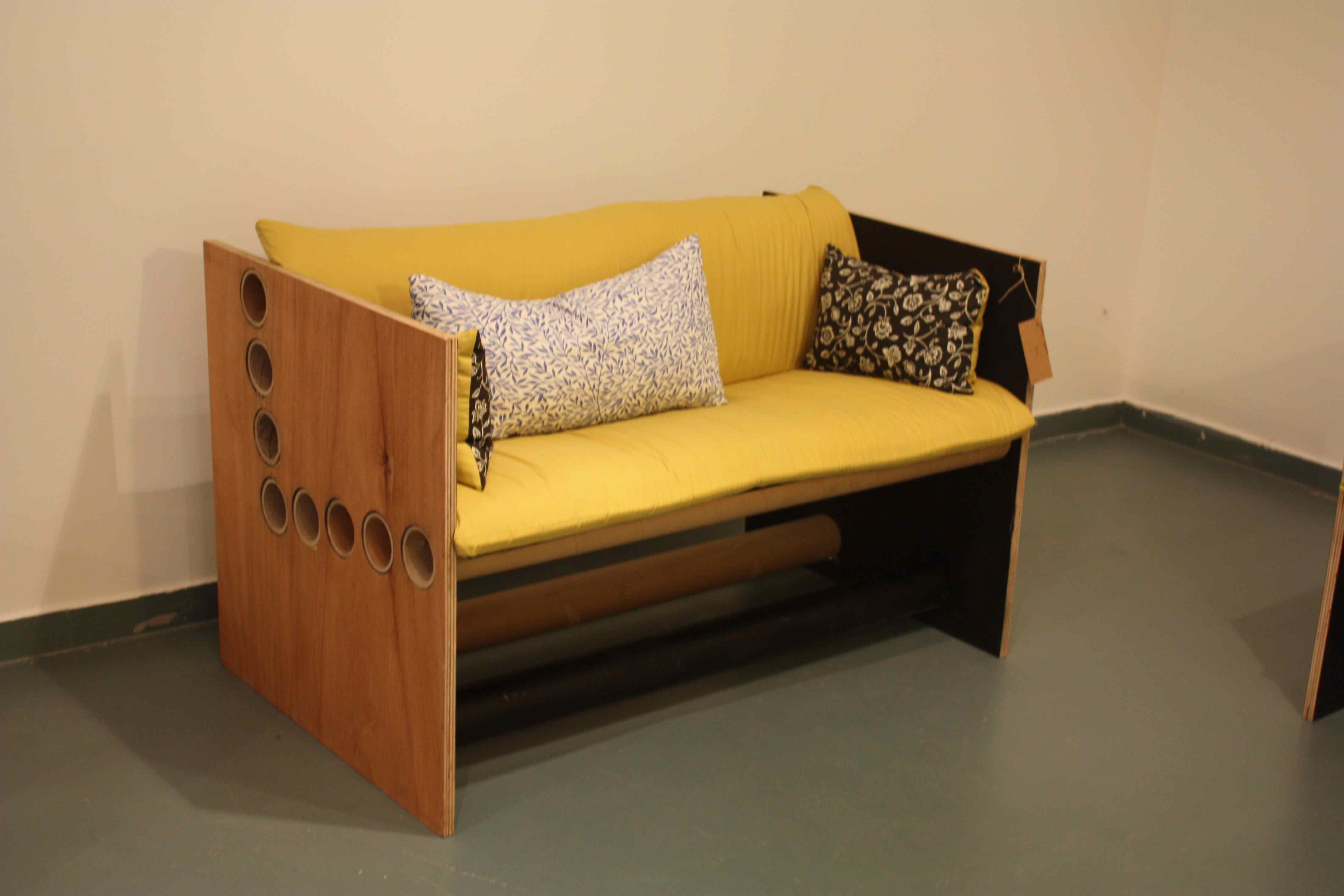
Attractive sofa made of a discarded wood shipping box and cardboard tubes thrown aside in the industrial zone in Ramallah.


See more work of these “four emerging architects [who] came together to work on finding environmental solutions that hold social responsibility at their core.” They are on Facebook at ShamsArd Design Studio, the web at ShamsArd.wordpress.com and on Twitter at @ShamsArd or by email at ShamsArde@gmail.com.

Epilogue to the Vaccination Irritation: She was Brave

June 13, 2012 by Nora Lester Murad

Read part one of this post…

I am happy to report that my youngest daughter has a sore arm. Today, she took her last vaccination, bringing her up to date. Here’s how it came to pass….

Yesterday the school gave me two sheets of paper proving that my daughter was vaccinated twice in the first grade, not once. One time, the Health Committees in the Palestinian Authority came, and the second time, the Israeli Ministry of Health came. No one came when my daughter was in the second grade. (The school was right.)

The paper told me what my daughter was vaccinated against, not what vaccinations she took, so I had to have them translated into English and then cross check them against the vaccinations booklet. Surprise, surprise. EVERYTHING was written down! Even the ones given by the Health Committees of the Palestinian Authority (who the Israeli Ministry of Health said never write things down). They did write down the date and the vaccine. (The Health Committees were right.)

At that point, I realized that it was all a big mistake. My daughter was up to date. I was an idiot.

I called H from the Israeli Ministry of Health to put closure on the matter and she said, “It’s up to you as the mother to decide what vaccinations your daughter gets. I cannot force you.” I was confused again. I explained that in fact she had gotten the second grade shots in the first grade, so isn’t she in compliance? No, it turned out: “The Palestinian Authority uses a different combination of vaccines. The combination your daughter took does not include Pertussis or Whooping Cough. That what she’s missing.” “Is it important?” I asked, my heart sinking again. “Well, because the kids vaccinated by the Health Committees didn’t take it, we now have an outbreak of Whooping Cough.” (The Ministry of Health was right.)

That was enough for me. I woke my sleeping angel and we drove like the wind to Abu Tur. If you read my last post, you’ll know that the Israeli Ministry of Health vaccinated the girls in Samhar school today. It was my last chance this year to get the vaccine.

Abu Tur is a mixed Jewish-Arab neighborhood in West Jerusalem. I shouldn’t say “mixed,” I should say, “divided.” I followed the signs and found myself on the Jewish side. I asked several people where the Samhar School for Girls was, but no one knew. Then I asked them to point me to the Arab side of the neighborhood. They pointed down the hill.

I asked a ton of people but no one knew where that school was, but they kindly directly me to the girls school. Once there, I found out it was not Samhar, and one of the teachers said, “That’s in Tur.” “Isn’t this Tur?” I asked. “No, this is Abu Tur!” “Tur is on the other side of the Mount of Olives.

It was 9:55 am and the nurse was only to wait for me until 10 am. I was far, far, far beyond the palce where I was supposed to be. H didn’t answer her mobile phone. I felt angry at myself and guilty for dragging my daughter through the heat, without breakfast, without knowing where I was going.

I flew up the hill, past Jaffa Gate, past Damascus Gate, down into the valley next to the Russian church, up to the Mount of Olives, and down the other side. It still took ten minutes of going to the wrong place before I found the right place. “The nurse from the Ministry of Health is upstairs,” I was told. “The nurse from the Ministry of Health just left,” they told me at the top of the stairs. “But…but…but…”

Then I found the nurse, M, waiting for me in a little kitchen upstairs. She double-checked the vaccination booklet, prepared a combination vaccine that included Pertussis, and shot my daughter in the left arm. My angel didn’t make a sound.

My daughter, I think, is the only now third grader from her entire school (and perhaps from all the private schools in East Jerusalem) who is vaccinated for Whooping Cough. I can’t be sure of this, as I am not sure of anything.

If you ask, I might share  what this all means to me, a resident of East Jerusalem, a place that is part of the West Bank according to international law, that was illegally annexed by Israel, and which receives some benefits (like health coverage) but lots and lots of discrimination from Israel. I can’t write about it now because I’m simply too tired.

Is There a Vaccination for Headaches? You Get Different Answers from Israelis and Palestinians

June 11, 2012 by Nora Lester Murad

My daughters look forward to summertime when they attend camp in the US. I want them to decompress from living under military occupation, and I guess I want to alleviate some of my guilt about all the extracurricular enrichment they don’t get during the school year. I invest quite a lot of time looking into options, coordinating schedules, and trying to make sure each girl gets the experience she wants.

This year, little, naïve me took the summer camp health forms to my pediatrician thinking I was nearly done with the summer camp preparation. Thank goodness they’re all healthy. It’s just a signature, an ink stamp, and a few minutes at the reception desk catching up with news about the secretary’s kids, right?

No! I entered into a uniquely Jerusalem surrealistic mess.

Dr. M is my fabulous, trusthworthy pediatrician. She is a Palestinian at a clinic in Arab East Jerusalem that is part of the Israeli HMO, Clalit, She said that my youngest daughter’s vaccination booklet wasn’t up to date. “Go to the school and have them write in the date they gave your daughter her second grade shots.”

The school seemed irritated. “You probably didn’t send in the vaccination book that day,” they told me, as if I was asking why the shots weren’t written down. “Okay, can you please write in the date she got the shots?” “We’ll call you.”

They finally called and said that the second graders didn’t get shots that year. “We write everything down and it’s not written down,” they said.

Dr. M said this wasn’t possible. Vaccinations are scheduled by the Israeli Ministry of Health. She told me to talk to the nurse in her office who works part-time doing vaccinations for the Ministry of Health. She’d be able to look up my daughter’s records and update the vaccination booklet with the date she took each of her second-grade vaccinations.

Nurse K told me to ask the school for the date. “But the school said there were no vaccinations given to the second grade that year.” “That’s not possible,” she said, and she gave me the mobile number of H, the woman in charge of vaccinations in the Palestinian private schools in East Jerusalem.

Meanwhile, I thought I must be going crazy, so I checked with several mothers with children in my daughter’s grade. “No, they didn’t get any shots that year.” I want to admit here that these are not easy conversations for me to have in Arabic, and add to that the fact that my question is very weird.

I called H. She checked and said that when they went to give the shots, the school told them (the Israeli Ministry of Health) that the Palestinian Authority’s Health Committees, had already done the second grade vaccinations. “Get the date from the school,” she told me. “It has nothing to do with us.”

“But the school says the vaccinations weren’t done.” I felt ready to cry.

H told me to get the vaccination booklet and she’d go over all the vaccinations to see what was missing. “The problem is,” she admitted, “that the Health Committees don’t document the vaccinations they give in the booklet. We’ve tried to speak with them about that, but ….”

From H’s review of my daughter’s vaccination booklet, it became clear that the US, Israel and Palestine not only have different schedules for giving vaccinations, but they also give different combinations of vaccinations.

“The important one you’re missing,” she told me, “is one you can only get from the Israeli Ministry of Health, not from your pediatrician. And the last day we’re giving it this year is on Wednesday.” She told me the name of the school in the Abu Tur neighborhood where the shots would be given. She gave me the name of the nurse who would be there to help me.

“Don’t worry that it’s not exactly the same vaccination you’re missing. It has something extra, something your daughter already has. But our regulations say that there is no danger of double dose for that one. You could take it today and again tomorrow and it wouldn’t matter. So don’t worry.”

I was worried.

So I went to the school. Telephones just don’t get across the same information as face-to-face meetings. Miss J checked the records again. “I could tell you that they usually come in second grade, and I could tell you that they did come to the second grade this year, but I can’t tell you that they came to the second grade last year when your daughter was in second grade, because I have no record of it and the secretary has no record of it – though we do keep those records because these are things that should not be done by memory.” That sounded reasonable.

She took it upon herself to call the Ministry of Health. She was satisfied with the explanation. Then she gave me O’s number so I could hear the explanation directly. O said: The Israeli Ministry of Health has always vaccinated the first grade, but only started vaccinating the second grade the year that my daughter was in second grade. But they didn’t do it that year because Markaz Nidal (called previously the Health Committees) had already given the second grade vaccinations when she was in first grade (but I thought the Israeli Ministry of Health was responsible for the first grade?). According to O, my daughter is up to date, but when I told her that H, who turns out to be her boss, already told me that my daughter was lacking the IPV or something or another, she decided to check again. I waited.

O now confirms that the Israeli Ministry of Health recorded that my daughter’s second grade class had already taken their vaccinations from Markaz Nidal (and they don’t write things down and no longer work in Jerusalem). The Israeli Ministry of Health would never record that without confirming since they are responsible. “Can I have the number of Markaz Nidal so I can confirm with them too?” “We don’t have any relationship to them or any contact with them,” she said. “So who did you confirm with?” “With the school!” “But the school says they were not vaccinated that year!”

I have a headache.

Read part two of this post…

  • « Previous Page
  • 1
  • …
  • 12
  • 13
  • 14
  • 15
  • 16
  • Next Page »

Recent Posts

  • Children’s Picture Book Review: “Never Again for Anyone”
  • Members of Educators Union Say Its Capitulation to ADL Betrays Workers, Students
  • On Teach Truth Day of Action: The Movement to #TeachTruth Includes Palestine, Too
  • How do we get the ADL out of schools? A conversation with Nora Lester Murad of #DropTheADLfromSchools.
  • The convos jumbled in my heart and head

Tweets!

Could not authenticate you.
  • Contact Me
  • About Me
  • Archive
  • Sign up for updates

Copyright © 2026, All rights reserved
Website Maintained by AtefDesign