I helped deliver curriculum design workshops for integrity educators from the former Soviet Union.
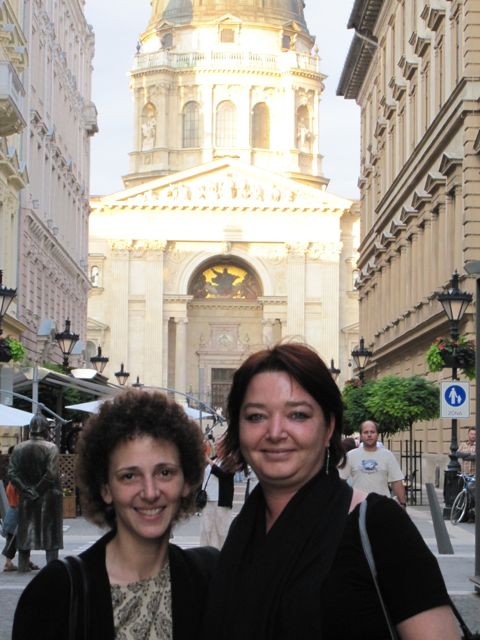
June 2010 in Budapest, Hungary
I delivered a workshop on curriculum design to professors involved in integrity education around the world.
 Beautiful Budapest
March 2010 in Qatar
I delivered a presentation to the World Congress of Muslim Philanthropy about research I conducted about civil society’s experiences with international aid in Palestine.
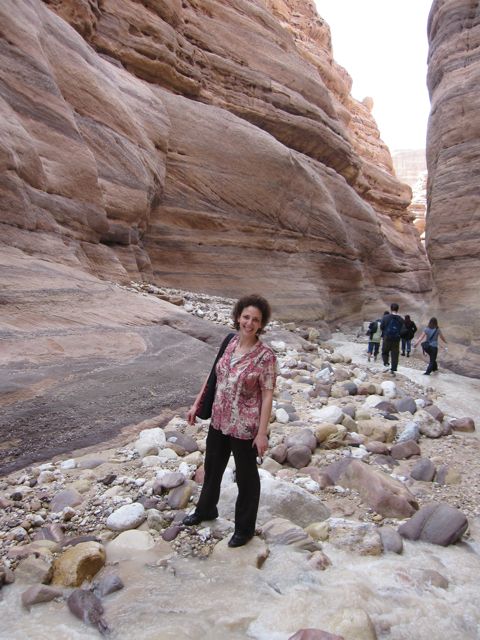
February 2010 in Amman, Jordan
I delivered a workshop on resource mobilization to Arab NGOs belonging to Synergos Institute’s Arab Social Innovators program.
February 2010 in Ramallah, Palestine
I was an invited speaker at the Geographies of Aid conference run by Ghent University at Birzeit University. My talk was about Community Philanthropy in Palestine.
- Geographies of Aid Conference, Ramallah
Palestine’s Companies are Generous, but is Their Giving Effective?
This Week in Palestine, December, 2009, no. 140, pp. 15-18
Available for free athttp://www.thisweekinpalestine.com/details.php?id=2945&ed=176&edid=176
My article in this popular English-language magazine gives an overview of private sector philanthropy and raises questions about the strategy and impact of corporate philanthropy in Palestine.
Community Philanthropy in Aid-Dependent Palestine
Thematic Issues on Philanthropy and Social Innovation, 01/09, pp. 131-137
In this scholarly journal, I describe community philanthropy in Palestine, including the obstacles created by dependence on aid. I also describe innovate initiatives that are underway to encourage local giving.
Special article: Does International Aid Violate Palestinian Rights?
This Week in Palestine, August, 2008, no. 124, pp. 8-12
Available for free athttp://www.thisweekinpalestine.com/details.php?id=2537&ed=156&edid=156or in Arabic at http://www.dalia.ps/ar/node/122
This ground-breaking paper draws on international law, conventions, treaties and declarations to argue that current international aid procedures violate Palestinian rights. I argue that Palestinians should claim their rights from donors and international development actors and take initiative to reform the aid system, which in some ways denies self-determination in ways similar to the Israeli occupation.
Palestinian Children Who Work in Israel: Psychosocial Development in Political and Cultural Context
International Journal of Behavioral Development, July, 2008, 32(4) by Hani Murad and Nora Lester Murad
Available for purchase ($25 USD) at http://jbd.sagepub.com/content/32/4.toc
This scholarly research article explores the psychological experiences of Palestinian children who work at intersections and in other informal parts of the Israeli economy.
The Politics of Palestinian Refugee Participation
Forced Migration Review, 2006, 26, pp. 47-48 by Juliette Abu-Iyun and Nora Lester Murad
Available for free at http://www.fmreview.org/palestine.htm
Palestinian refugees should be allowed to choose and decide, based on informed opinions, whether or not they wish to return to their homes. This is their legal and moral right. Is it also their right to participate in discussions about their future? If so, how should they participate?