Nora Lester Murad - The View From My Window in Palestine

  • About Me
    • Bio
    • Contact Me
    • Sign up for updates
  • My Writing
    • Life Under Occupation
    • Video/Radio
    • Guest Posts
    • Aid and Development
    • Gaza!
    • Palestinian Literary Scene
  • My Books
    • Resisting Erasure
    • Ida in the Middle
    • Rest in My Shade
    • I Found Myself in Palestine
  • Shop
  • Email
  • Instagram
  • LinkedIn
  • Twitter
  • YouTube

NGO Hush Money: Trading Silence for Access and Privilege (reblogged)

September 12, 2012 by Nora Lester Murad

This article [originally posted at http://www.thinkir.co.uk/ngo-hush-money/ and reblogged with permission of the author]  considers the possibility that international NGOs may not be fulfilling their mandate to Palestinians by keeping silent on key issues in exchange for access to the occupied Palestinian territories and preferential treatment by Israeli authorities, mirroring a system of control used by Israel to manipulate Palestinian Authority officials. 

from the Deccan Chronicle

In her article “VIP Hush Money,” journalist Amira Hass describes the manner in which Israel uses special permits for travel as a way to manipulate and maintain control over the leadership of the Palestinian Authority (PA).  She details how the Israeli government has stripped a few dozen senior PA officials, including President Mahmoud Abbas, of their VIP permits since mid-2011 as a form of punishment for the PA’s application to the United Nations for admission as a member state.  This VIP status gives its Palestinian bearer free movement throughout Israel and the occupied Palestinian territories (oPt), a basic right that is simultaneously denied to millions of other Palestinians who are barricaded into tiny little cantons under PA control throughout the West Bank and Gaza strip.

Hass reveals how command over this very basic aspect of life, movement, is used by Israel to control its subject Palestinian population in the West Bank and Gaza Strip.  With Hass referring to this as a form of colonialism, Noam Chomsky regards it as part of a neo-colonial model of control where Israel also permits and encourages a privileged existence for Palestinian elites in Ramallah, largely sustained by European funding.  When it chooses not to permit those PA officials to move about freely, Israel is asserting its control over them and manipulating peace negotiations in its favour.

Hass points out that “collaborating with the humiliation inherent in VIP status conferred by the occupier is part of the PA’s whole concept. Its senior officials lavish praise in their speeches on ‘popular resistance’ as the preferred alternative to taking up arms.  But in the very sphere where they could easily engage in civil disobedience of their own, they don’t do it.”  However, it is not just the PA that is taking part in this system of humiliation and collaboration.  There are hundreds of “well-meaning” Non-Governmental Organisations (NGO) that are provided with VIP status of their own, allowing them freedom of movement into the oPt, in return for providing basic services and funding for Palestinians that Israel is not willing to provide itself.

In the same way that Israel maintains control over freedom of movement in order to rein in uncooperative Palestinian leaders, it also uses control of movement over hundreds of foreign NGOs and thousands of foreign NGO workers (and rights activists) who operate out of the West Bank, Gaza and Israel.  If any of them are to stray too far in their activities into advocacy work that is deemed threatening to Israeli policy, the government of Israel will simply refuse them access at the border with Israel and the oPt.

This is a serious threat that occupies the minds of every NGO worker (and human rights activist) that has to travel through the Israeli border in order to get to the West Bank or Gaza Strip.  It preoccupies their preparations before each journey through Ben Gurion Airport  and the Allenby Bridge crossing, needing to prepare different plans should they not gain access.  By not being able to enter through the Israeli border in order to carry-out funded aid projects, NGOs run the risk of losing their funding and workers of losing their jobs.  Add to that the reality that thousands of people do get turned away and sent home at the border every year[1].

from BBC News

This fear leads to organisations censoring their advocacy work and blunting their criticism of the source of Palestinians’ problems, “the Occupation.”  Outspoken criticism of the occupation is the activity Israel most opposes.  So  long as they choose not to be too outspoken and disobedient, Israel also allows foreign NGO workers to enjoy a comfortable and privileged existence in Ramallah, largely funded by Europe, where they enjoy a state of relative calm from the violence associated with night raids or invasions, the comforts of modern life, and a booming cafe and night club culture.  Israel even facilitates freedom of movement for foreign nationals at the Qalandia checkpoint between Ramallah and Jerusalem by not forcing them to leave public buses to go through the intimidating security checkpoint where their bags are screened and passports checked before gaining entry.  Considering deepening economic malaise and joblessness back home, many foreign NGO workers from Europe or North America may be even less inclined at this time to lose their job in the oPt.  As one young American aid work told this author in 2010, “It is actually better to be here, where there are jobs, than back in America, where there are none.”

With the benefits of VIP status, working at an NGO in the oPt can be an exciting and comfortable career opportunity, even while the Palestinians they are supporting continue to suffer under occupation and to slip further into poverty.  If those foreign NGO workers should stray too far from behaviour deemed acceptable by the government of Israel, it is not afraid to rein those NGOs in.  Indeed, Israel regularly reminds foreign NGOs that their ongoing presence in territory it occupies depends precariously on its permission.  For example, in 2010 Israel largely eliminated work visas for the employees of those NGOs privileged enough to be able to apply for work visas, forcing foreign employees to take tourist visas that are valid only for up to three months[2].  Employees on a tourist visa are forced to exit and re-enter through the Israeli border, where they may be refused entry.  There are even fears that “international staff may be accused of working illegally and consequently face punitive measures, including long-term barring of entry into or passage through Israel due to violation of Israeli employment laws.”

This is a significant contributing factor to NGOs engaging in self-censorship of their own work.  Hart and Lo Forte note in their research on child protection in the oPt that NGOs clearly operate on a matter of pragmatism over principle, with “Western donor governments generally choosing not to challenge Israel on practices that clearly put the lives of Palestinian children at risk, preferring to support ad hoc efforts to improve conditions or equip families to cope with the intolerable.” The result is that child protection becomes focused on response to harm rather than prevention[3].  Hart and Lo Forte note that some donors, such as the United States government, will even use control of funding to limit any public advocacy that might embarrass Israel.  Just as the United States government can deny funding for aid projects that advocate too heavily on behalf of Palestinian children, Israel can simply deny NGOs access to operate on occupied Palestinian territory, putting an end to their work.  In this way, Israel’s control over the movement of NGOs allows it to maintain control over the work of those NGOs themselves.

By not addressing the root causes of the problem and only inadequately addressing the results, NGOs may simply be helping to offset the costs of war and occupation bourn by the Israeli government in the oPt, a warning given nearly 150 years ago when Florence Nightingale criticised Henri Dunant’s plan to create a civilian medical service (the future International Committee of the Red Cross) as something which would actually relieve governments of part of the burden of going to war, allowing them to more easily engage further in it.  As Mary Anderson points out in Do No Harm, aid provides the dual possibility of either supporting peace or supporting war, depending on how it is applied.  Regardless of the difficulties inherent in working in an occupied territory, the NGO community should take serious time to reflect upon whether or not just “being there” balances out with any detrimental effects that may be caused by not addressing the primary problem, the occupation, and the possibility they are relieving the occupier, Israel, from some of the costs of occupation.  Considering the retrogressive nature of a long-stalled peace process and an ongoing decline in Palestinian standards of living, those NGOs may find that it is time to take a new approach to their work, emphasizing advocacy and demanding open access without hindrance, or else simply refusing to provide assistance if it is only serving to subsidize the activities of the occupier.

Additional Note:
Attaining the requisite documentation for access to the oPt by NGOs is both complex and expensive.  A June 2011 Association of International Development Agencies (AIDA) report notes that  “the complexities of obtaining the requisite documentation to freely move national and international staff between Jerusalem, the West Bank and Gaza severely hampers the ability of AIDA members to deliver projects, effectively manage and monitor projects, hire appropriate personnel, share best practices, train staff or coordinate with other organizations.”  The report estimated that the restrictions cost those organisations an additional $4.5 million per year.


[1] There are thousands of examples of people being refused entry at the border to Israel:  tourists, spouses or family members of Palestinians, academics, activists, journalists and NGO workers.  Recent high profile examples include Irish Nobel Peace Prize Laureate Mairead Maguire and American Professor Noam Chomsky.  The number of people refused entry into Israel was 1 828 in 2005 and 2 941 in 2007.

[2] The length of stay or area of geographical access given in a Visa provided at the Israeli border at the Allenby Bridge crossing with Jordan can be highly arbitrary: ranging from as little as one day to three months in length, and from access to Palestinian Authority areas only to all of the oPt and Israel.

[3] Hart and Lo Forte found that organisations such as Save the Children US and UNICEF are placed in a challenging position where they must balance accountability to the population they are there to serve with the demands of donors and the anxieties of their superiors at headquarters. Too often, it seems, downwards accountability is severely compromised, if not abandoned.

About JeremyWildeman
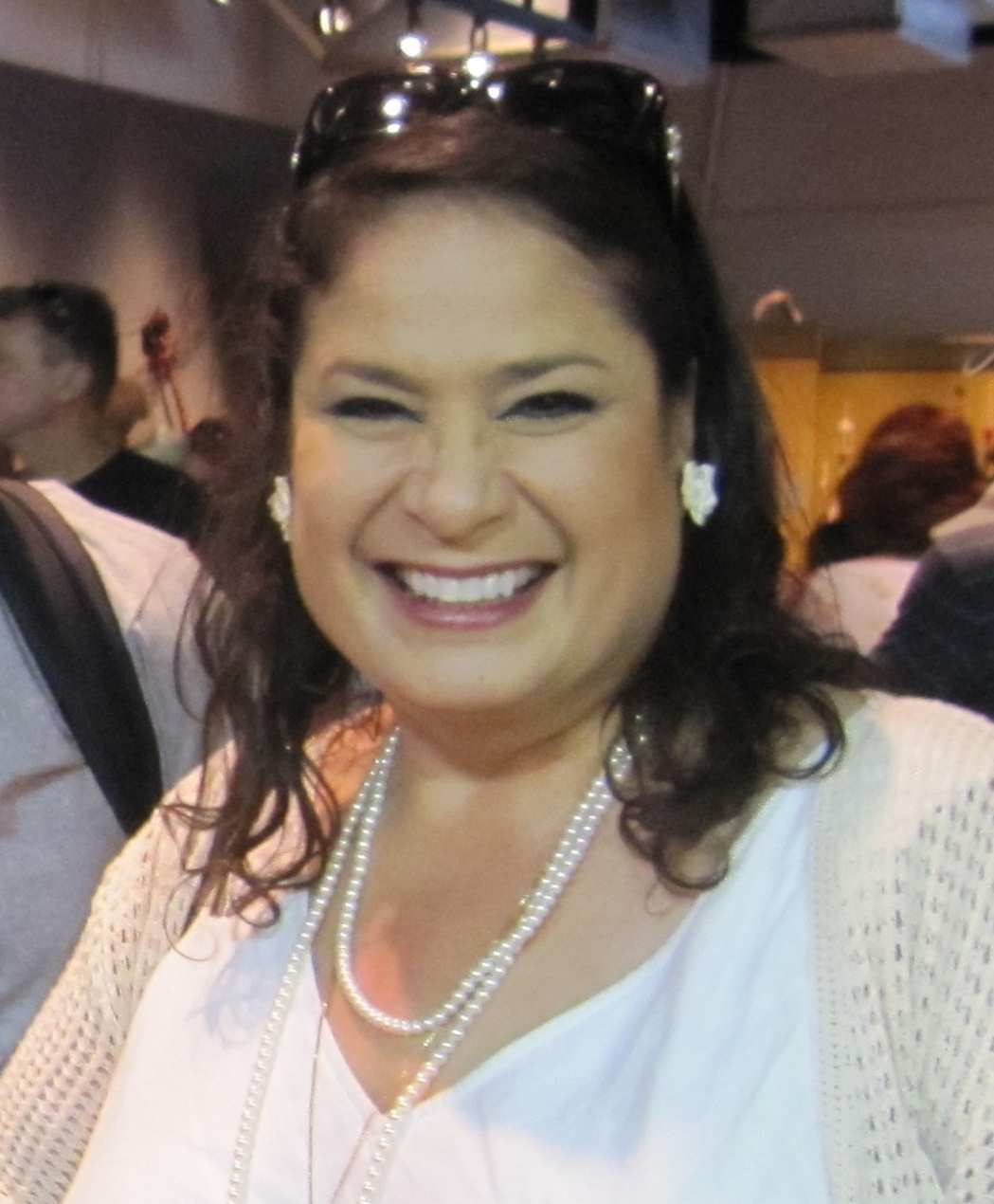
Jeremy Wildeman (B.A. Saskatchewan, M.A. McMaster) is a PhD candidate at the University of Exeter, where he is conducting research into the effects of foreign aid on Palestinians. Previously he co-founded and managed the internationally registered, West Bank-based charity for Palestinian youth “Project Hope” (www.projecthope.ps). He is a founding committee member for the International Relations Blog “ThinkIR” (www.thinkir.co.uk). In his spare time he maintains a Blog about using digital tools in post-secondary research called “iScholarapp” (www.ischolarapp.com).

Guest Post: Palestinians on the Beach? by Vicki Tamoush

September 10, 2012 by Nora Lester Murad

PALESTINIANS ON THE BEACH? WHY NOT EVERY DAY?!

As I write this, sitting in Southern California, I can hear the waves crashing just a few feet away.  Whenever I seek renewal of the spirit, refreshment of the soul, I am drawn to the sea where all can be washed clean.  Any burdens I carry can be cast onto the waves that reliably ebb away, pulling my hurts and guilts and sorrows with them.  As stifling as life is under occupation, I have to wonder if even a tsunami would be strong enough to wash away that pain.

Of course, it would have to be a tsunami; Palestinians are, by and large, prohibited from going to the beach so the ocean would have to come to them.

For this reason, I was stunned to read an article that said in August, for the first time ever, 130,000 Palestinians were granted permits to visit the beach for Eid al-Fitr.  When I first read Gideon Levy’s story, my eyes filled with tears. Mr. Levy’s account is written with such loving, exacting detail that we are left feeling as though we saw this phenomenal scene with our own eyes. I had to read it a second; even a third time to be sure I hadn’t missed the punch line where he tells the reader that he woke to find that it had all been a dream.

It’s not rare, at least for me, to experience quite the opposite reaction when I read news stories about the occupation.  Often I’m moved more to nausea than to tears.  This story was different not only because it described an unexpected visit to the sea but even more because of the great joy that this sight brought the writer.  I love his exuberant response; I love that he demands to know why it can’t be this way every day.  He opened the door for me to dare to dream the same.

The simple question, “Why not everyday?” made me realize that several thefts are taking place.  The occupation, those who uphold and codify and institutionalize the occupation, have stolen so much from the Palestinians and also from the world at large.  Palestinians have been robbed of the enjoyment of a gift given by God; the occupiers have the audacity to steal a gift handmade by no less than the Creator.

And justice-minded, goodhearted Israelis are being robbed as well.  The occupation steals from them the right to do what I can do whenever I like: call up a Palestinian friend and say, “Hey, it’s a beautiful day.  Let’s hit the beach!”  I have Israeli friends here in the States who long to do in their home country what they can only do here: befriend a Palestinian and interact as equals, as true peers.

There is another victim of this robbery, and that is the American public.  We finance the occupation in so many ways (taxes, purchases from companies that support the occupation, and even through our voting patterns).  We pay for a land of the free and home of the brave in the Levantine but when we open the package we find only a bill of goods.  What we are financing is in wholesale opposition to the principles on which the United States was founded.  But little is said, and nothing is done, and the thief walks away in broad daylight.

I’m not sure I can ever again listen to the waves crashing without thinking of the scene Mr. Levy described.  In fact, I rather hope that vision will continue to haunt me for the rest of my life.  I need to be reminded that I’ve been the victim of a robbery so I can run out into the world screaming my head off to anyone who will listen.

 Vicki Tamoush is a second-generation Arab American who lives in Tustin, California.  She holds a Bachelor’s degree in English from the University of California, Irvine and is founder of Interfaith Witnesses. Her first guest post on this blog was How Ramadan Made Me a Better Christian.

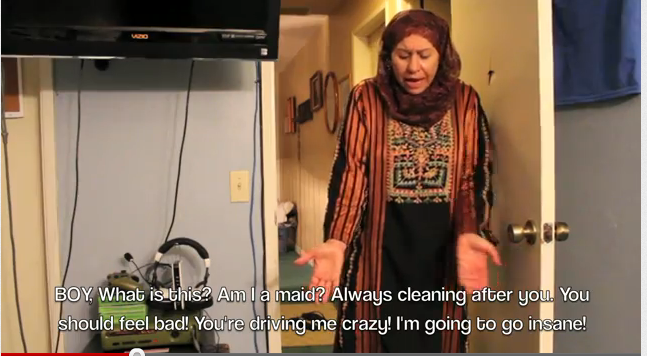
Back when I was volunteering with Dalia Association doing aid reform advocacy, we made this short film (about 4 minutes) so that you can hear for yourself how “aid” can hurt — directly from the Palestinians most affected.

I’d love to hear your views about the film and the issues it raises and, most importantly, what do we do now that dependence on a hegemonic aid system is undermining Palestinians’ rights to self-determination in development?

Are there Alternatives to Dependence on International Aid? Yes!

August 29, 2012 by Nora Lester Murad

My latest article appeared in This Week in Palestine, September 2012. Check out the amazing issue on the theme of “Alternatives” in Palestine. For your convenience, I’ve posted the article below. Please tell me, are there alternatives to dependence on international aid?

Most people I know believe that Palestine is changing, and not for the better. Even those who enjoy a higher standard of living than in the past have a lower overall quality of life. The Palestinian commitment to community is eroding, and individualism and materialism are seeping into the void. The main culprit? Palestine is dependent on international aid.

The billions of dollars circulating through the Palestinian economy may lull us into temporary complacency, but without dignity, empowerment, and a just peace, the promise of development is false. I think most people know this, but can’t imagine the alternative. Well, the alternative to dependence on international aid is simple: don’t depend on aid. Want to know how?

1-Focus on priorities not opportunities

We don’t need so many traffic police crowding up the manara, and we don’t need so many democracy workshops. Yes, there are opportunities to get funding for those things, but we should resist being enticed into implementing others’ agendas. Our own priorities, decided democratically, can bring focus and passion back into daily life.

2-Live more simply

Investing in our collective future rather than short-term individual gain requires us to live more simply. When we borrow money for cars and houses that we can’t pay off without inflated, donor-funded salaries, we have relinquished our independence. If we give up our cappuccinos and drink tea with maramiya, we will spend less and need less.

3-Value Palestinian resources

Too many people buy into the myth that Palestinians are deficient. Think about it: Palestinians live all over the world, speak many languages, and are well connected to people with influence. Palestinians are highly educated and experienced in every field of human endeavour, from science to the arts to politics. Palestinians are drawn together by a shared history, a cultural legacy, a shared future, and endurance. Where is the deficiency? If we calculate the value of Palestinian resources, we will realise that international aid is but a small supplement to the resources available in ourselves and in one another.

4-Share

We can spend less and need less simply by sharing. Two part-time employees can share a computer. Two companies can share office space. We can share our time as volunteers. We can use our public spaces for multiple purposes. Eliminating waste and duplication is a big step toward reducing dependence. Also, eliminating “leakage” to Israel by purchasing Palestinian-made products and complying with boycotts is another way keep Palestinian resources in the community.

5-Cultivate alternative sources of funding

We can inspire solidarity and investment rather than charity by ending complicity, stamping out corruption, and consistently acting with integrity. We can increase local giving by establishing systems for small, regular contributions. Private sector philanthropy can be more strategic and should include international companies that sell to the Palestinian market. Diaspora philanthropy can engage Palestinians around the world in service and the building of long-term endowment funds.

6- international aid selectively

In those cases in which we choose to accept international aid, it should be on Palestinian terms and in ways that don’t promote dependence. Most importantly, we should not be complicit in wasting resources! Palestinians should refuse funds that are tied to use of overpaid foreign consultants who bring little added value or to the purchase of unneeded commodities from the donor country. Refusing bad aid is a national imperative.

7-Remember Palestinian history and culture

Some may find it difficult to imagine alternatives to dependence on aid, but Palestinian history and culture are rich with examples of self-reliance. During the first Intifada, Palestinians didn’t ask, “What can I get?” but “What can I give?” Even the most simple of impulses, to send a plate of grape leaves to a neighbour makes the point. Today, many, many Palestinians give money, time, and love for the Palestinian cause. We must remember and celebrate these aspects of Palestinian history and culture.

8-Be even more innovative

While we mine Palestinian history and culture for examples of self-reliance, we can also learn from innovations in other parts of the world. I heard that a young person in Tokyo can help an aging neighbour and “earn” hours that his or her own aging parent can use to buy help from a young neighbour in Osaka. I’ve seen thriving bartering clubs where members offer skills ranging from dentistry and cooking to babysitting and language lessons, and they receive the same number of hours in services from other members of the club. I experienced a listserv where people in a community posted things they no longer need: office supplies, strollers, or computers, and others come by to pick them up off the front stairs-no charge. There is a lot of exciting innovation happening in Palestine, but there is also much room for innovation, so we depend less on international aid.

* * * *

I remember one of my first bus rides after I moved to Palestine. The bus was nearly empty. The driver wasn’t earning much. Maybe he didn’t even earn enough to buy fruit to bring home. Then we drove by an old fellaha walking on the side of the road. She was a short, round woman in a traditional embroidered dress. She carried fruit in a basket on her head in the heat. It was obvious she was taking her wares to the market but didn’t have the money for bus fare. Our near-empty bus passed her by.

This problem is one of unexploited latent resources. The unused seats on the bus are a resource, but they don’t bring value if unused. The fruit the woman fails to sell is a resource, but has no value if it is tossed in the garbage because people don’t earn enough to buy fruit. The answer to this conundrum is simple: the woman should pay her bus fare in fruit. Unfortunately, it’s hard (really hard!) to modify the way we think and live-especially after years of being trained by the international aid system that money is the only resource that has value. Other obstacles include common beliefs that “We are poor; we can’t give. We are entitled to international aid. Why shouldn’t they give us money since we’re occupied?” And, “Why should I help for free when other people are getting rich?” We must think differently about ourselves, our resources, and one another.

Every time I speak in public I tell the story of the women’s rights activist in Nablus who asked me to help her raise money from donors so she could hire doctors to give lectures on health topics to local women. She said she had been trying to fund the project for years without success. I pointed out that there are many, many doctors in Nablus. Each could give a lecture once a month for free as part of his or her community service. There was no need to focus on the resource she didn’t have (money), when the resource she needed (doctors) was available locally at no cost. How come that wasn’t obvious to her? How come it isn’t obvious to us all?

My first published book!

August 24, 2012 by Nora Lester Murad

Got ya all excited, didn’t I? You thought I had published my picture book, “Because it is Also Your Story” (co-authored with Danna Massad) or my upper middle grade novel, “Amina and the Green Olives.” Actually, neither is published yet, in fact, both are are still seeking representation. And my women’s literary fiction novel, “One Year in Beit Hanina” is still several months away from being a completed first draft.

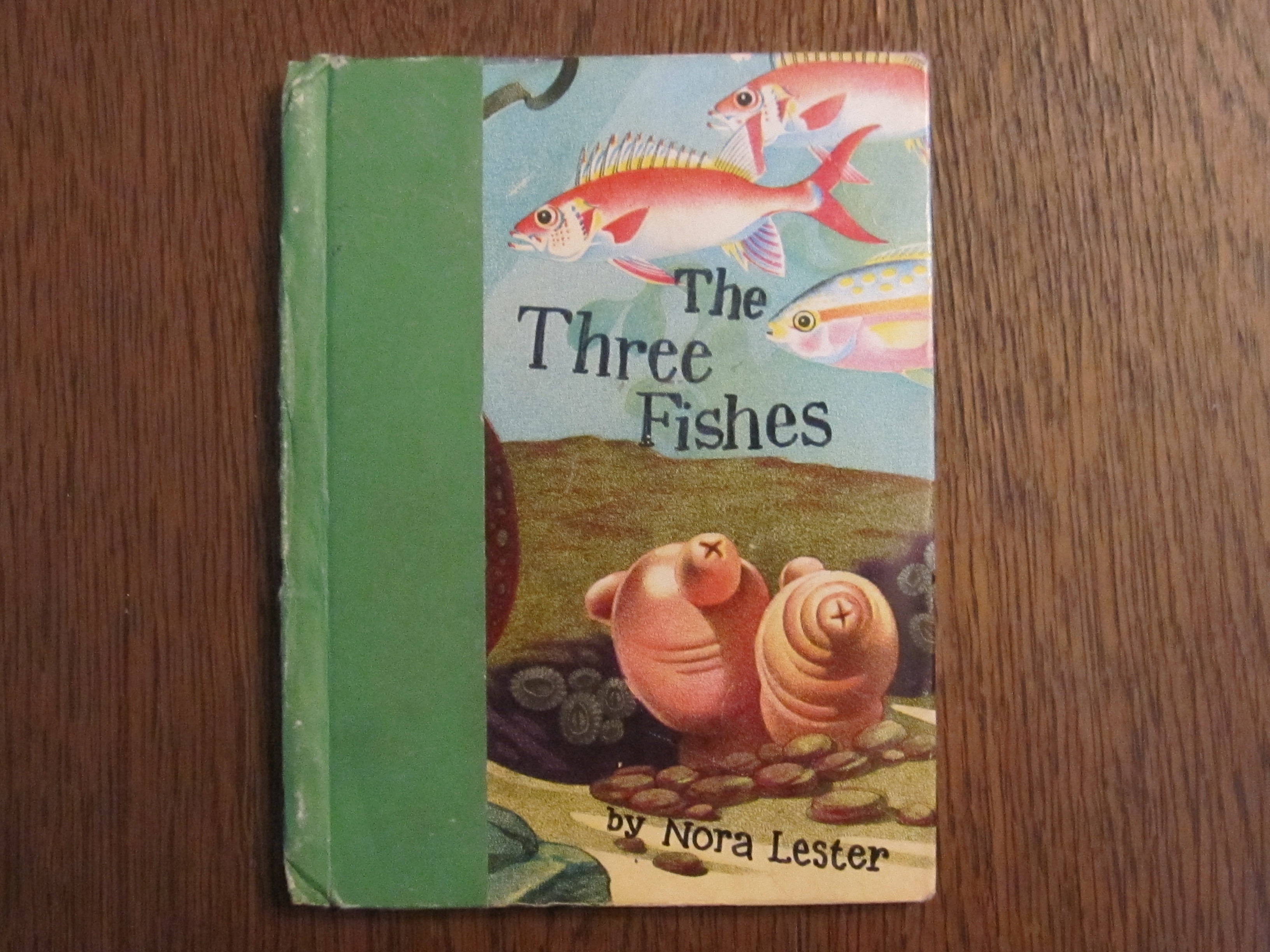
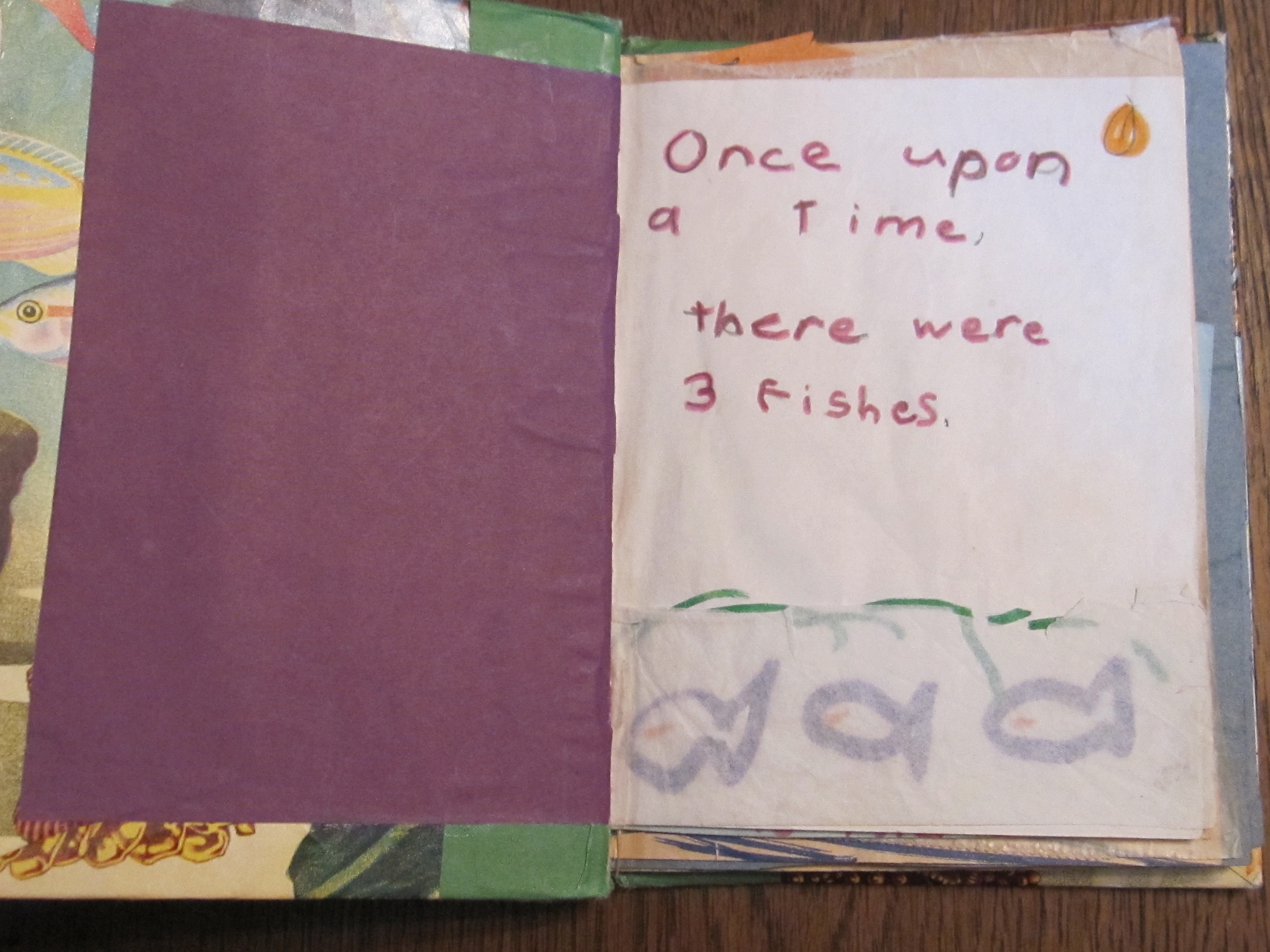
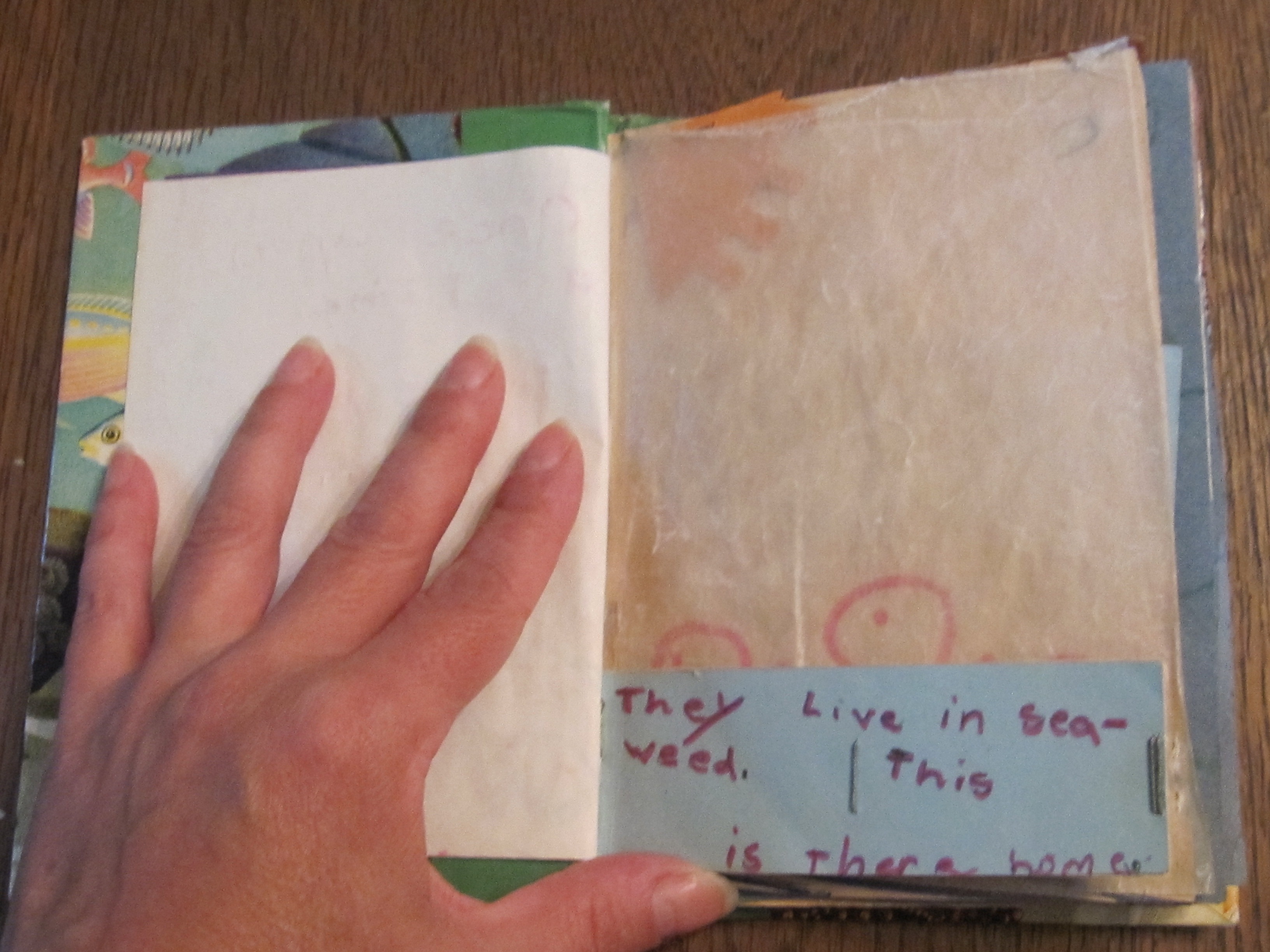
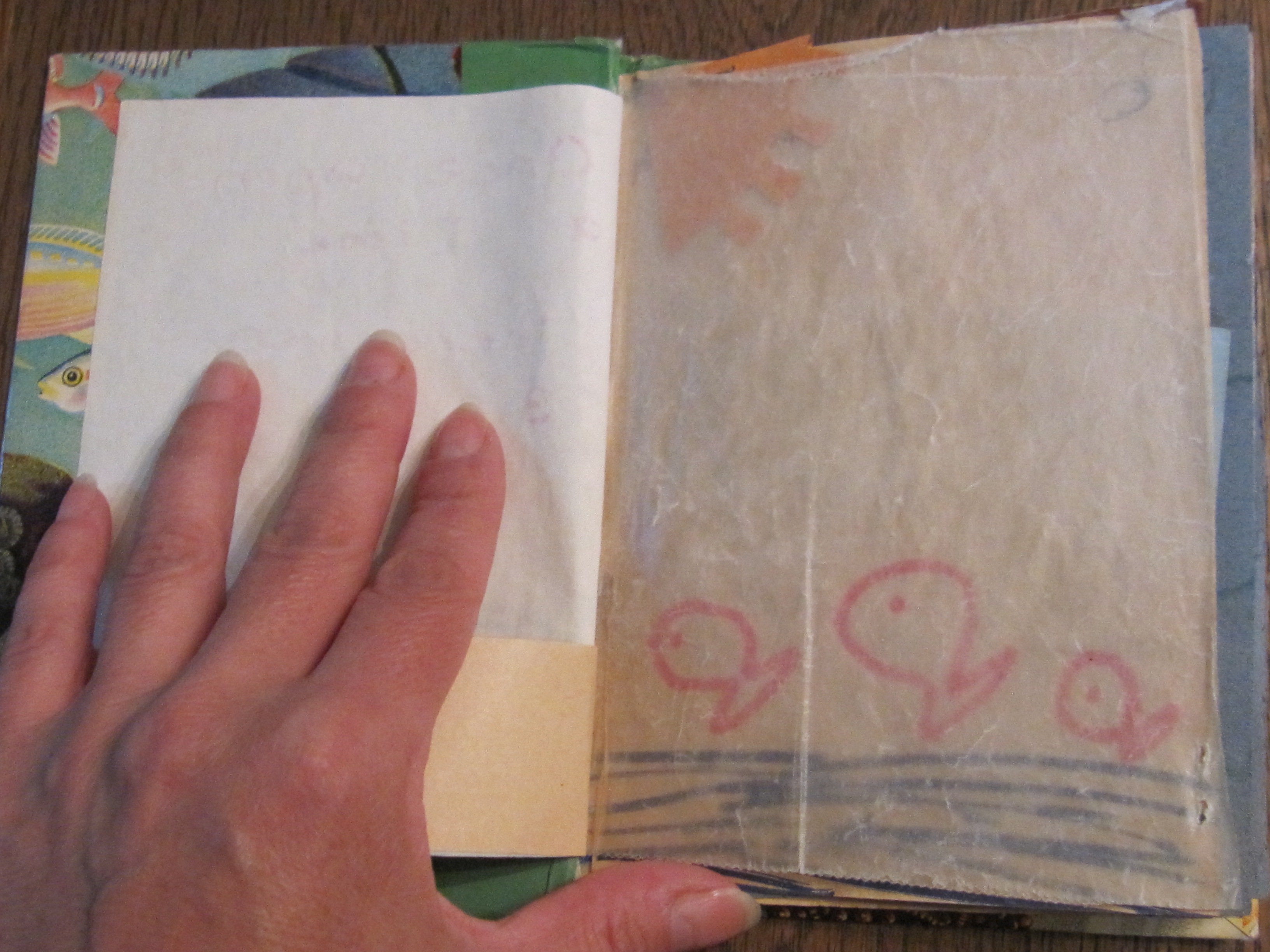
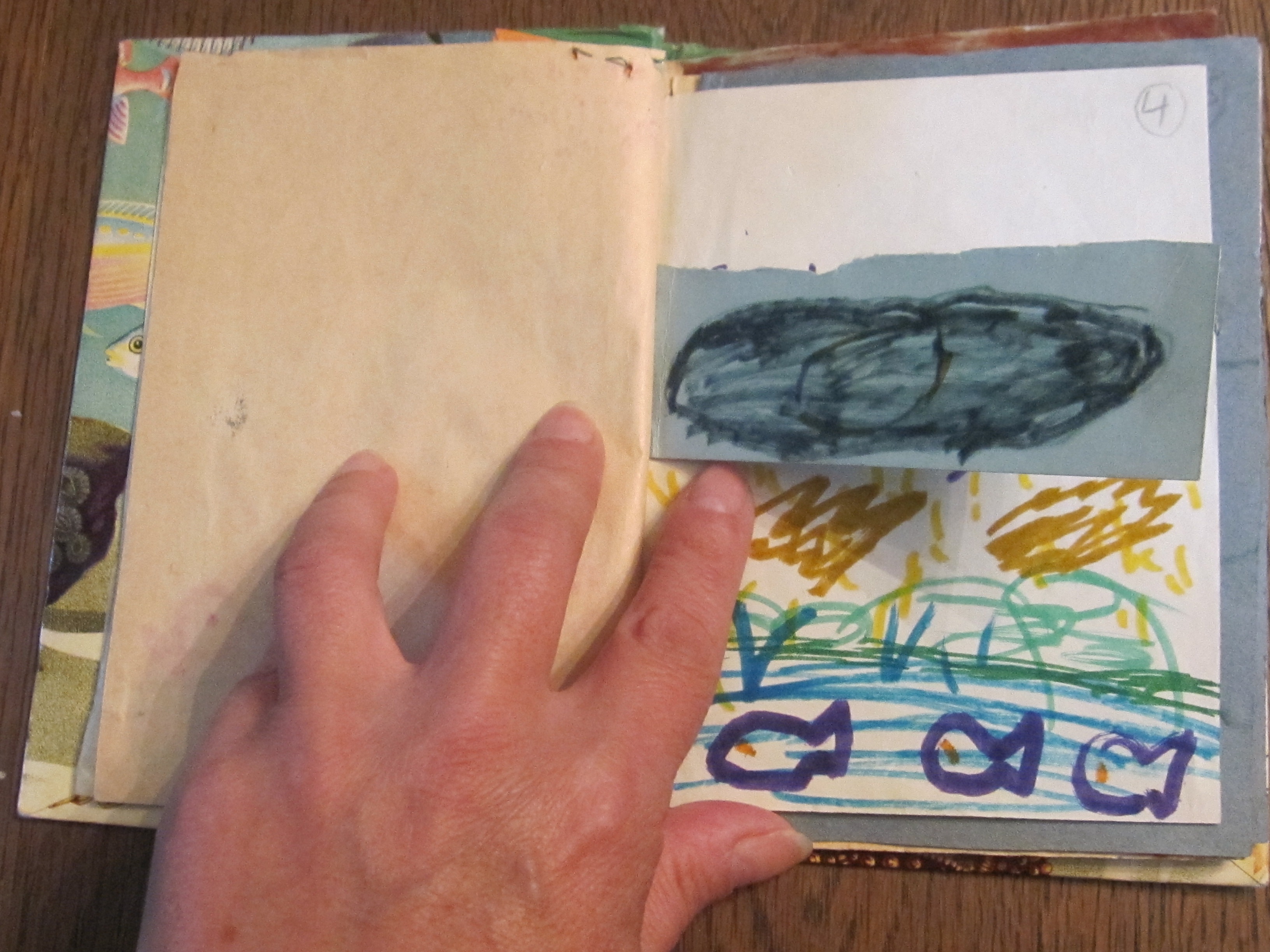
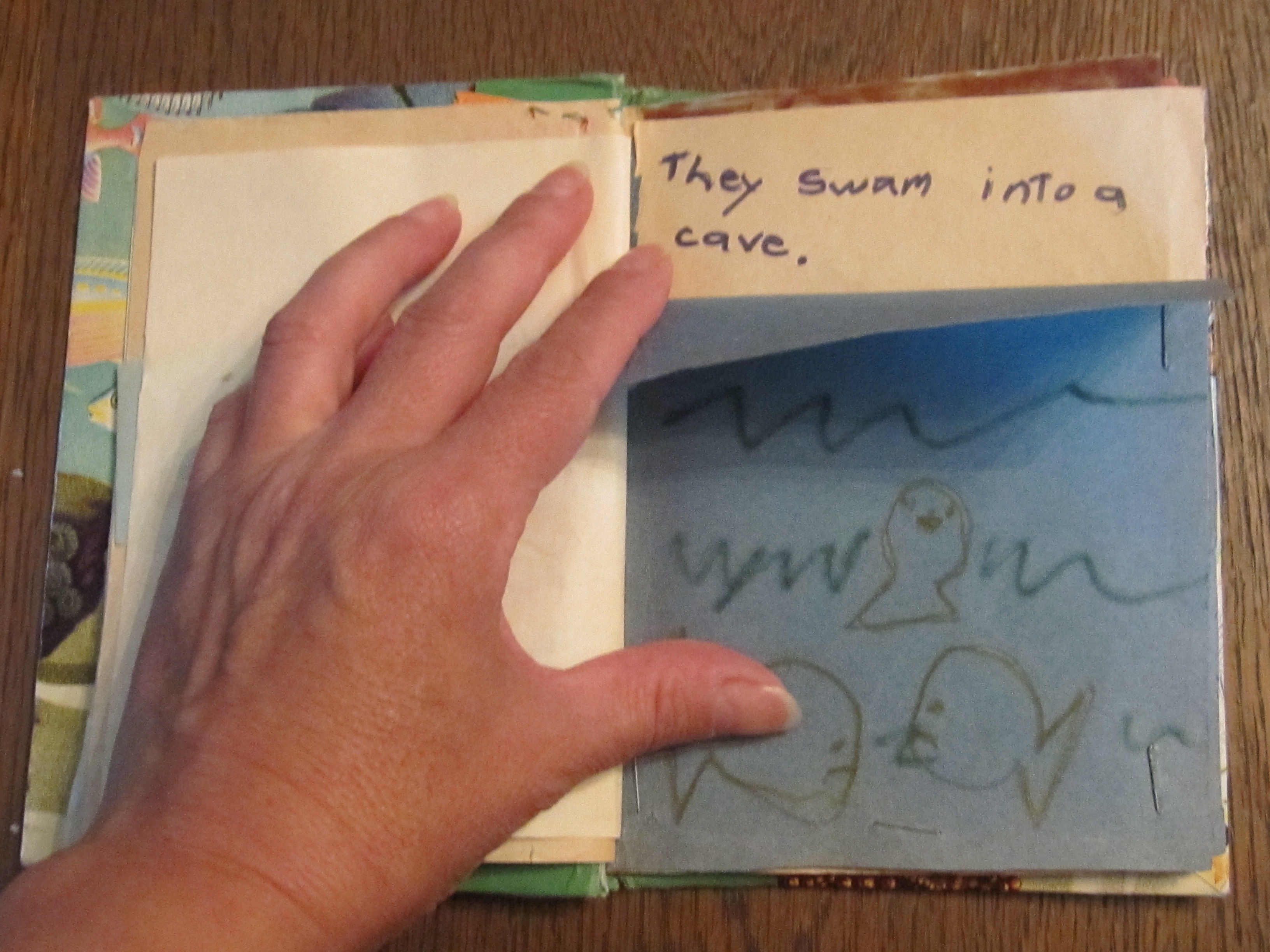
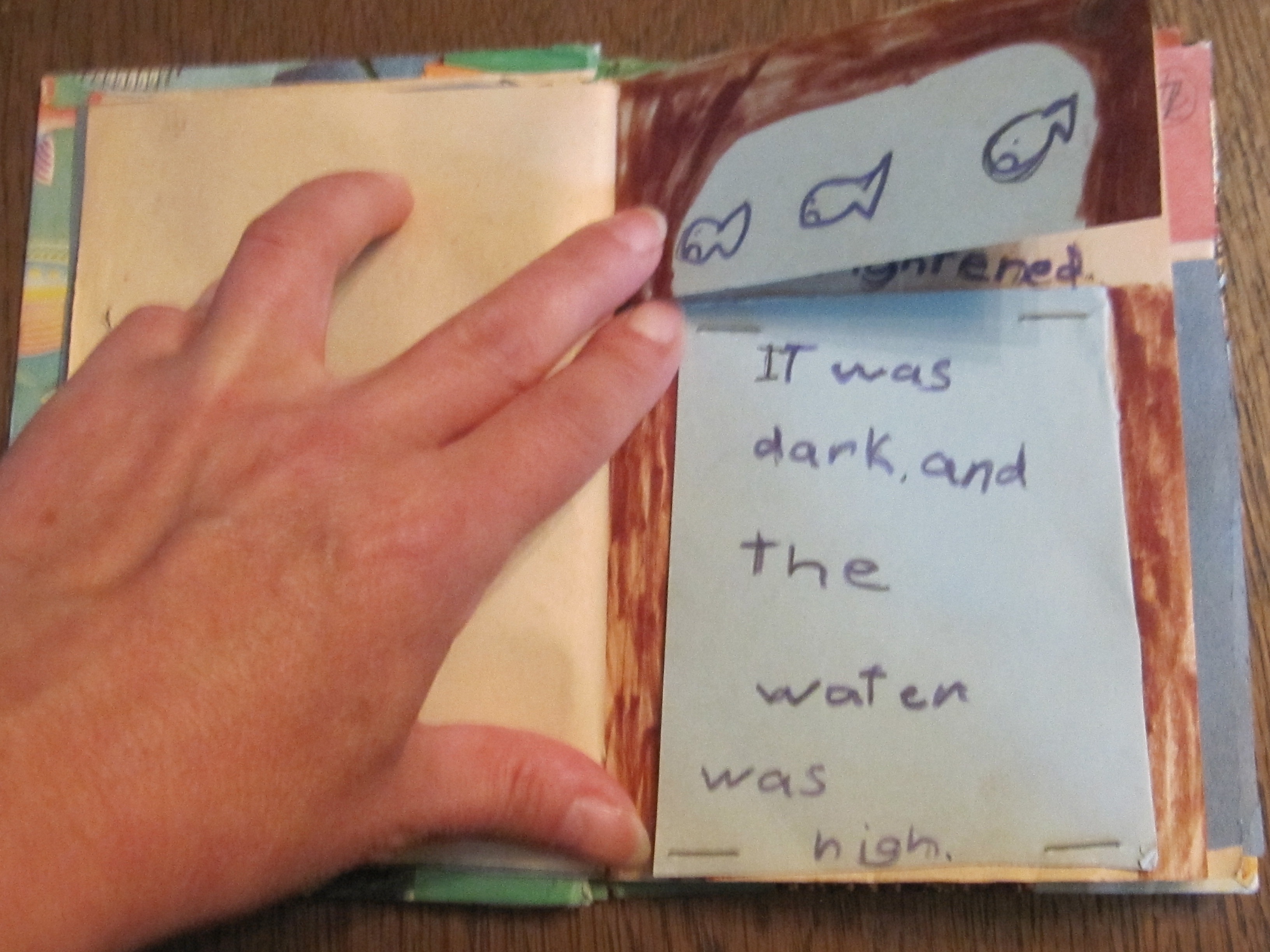
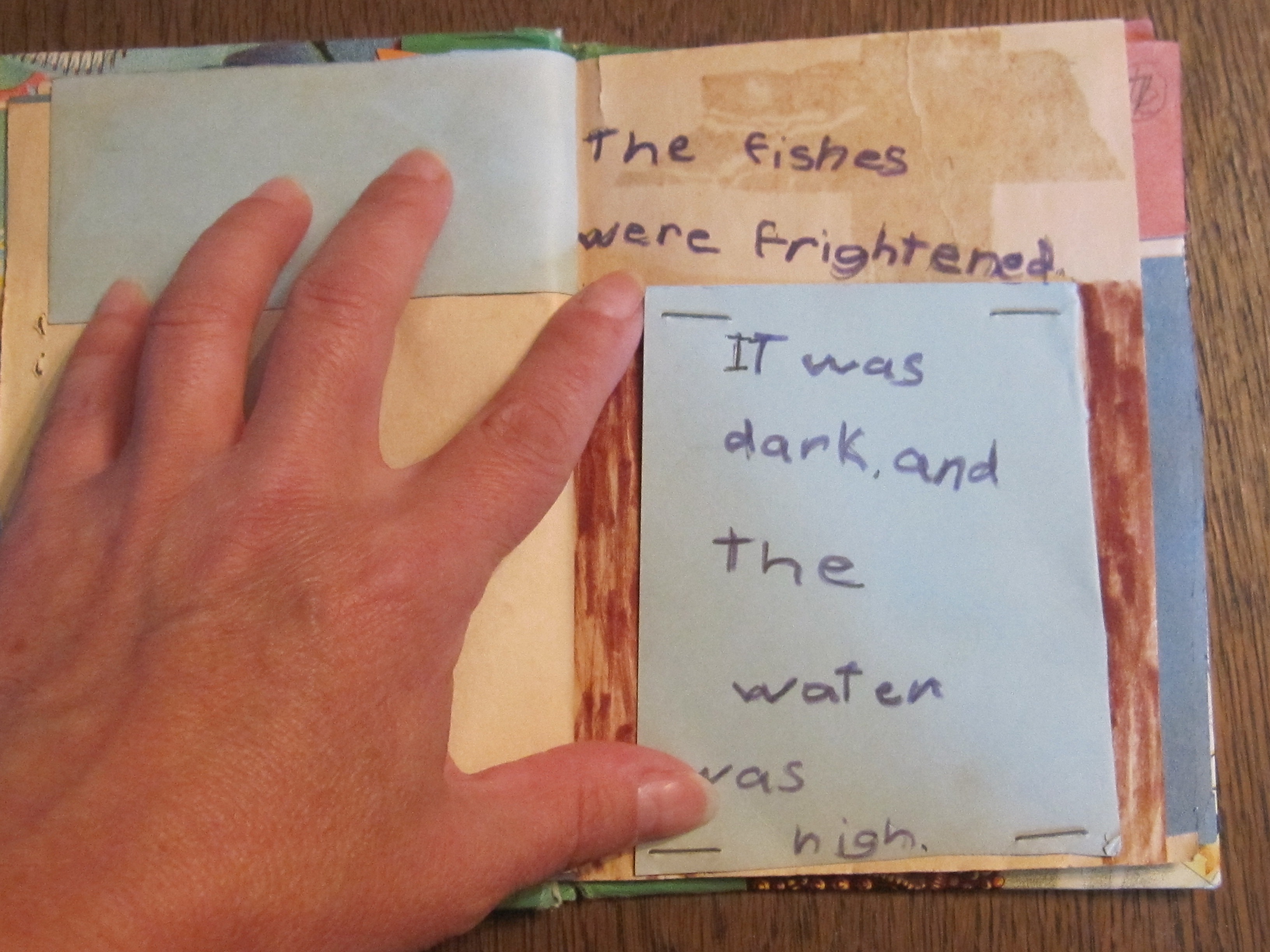
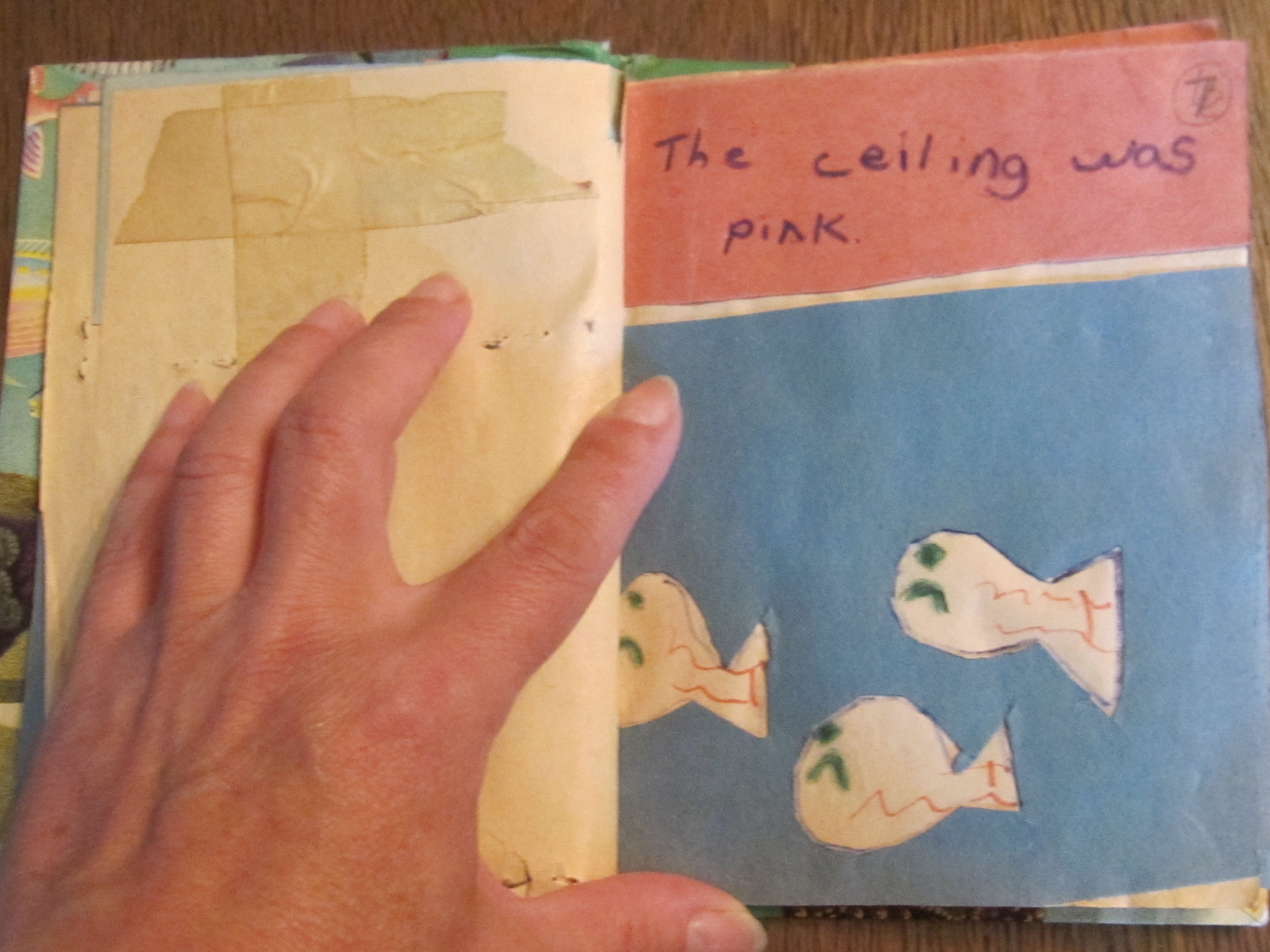
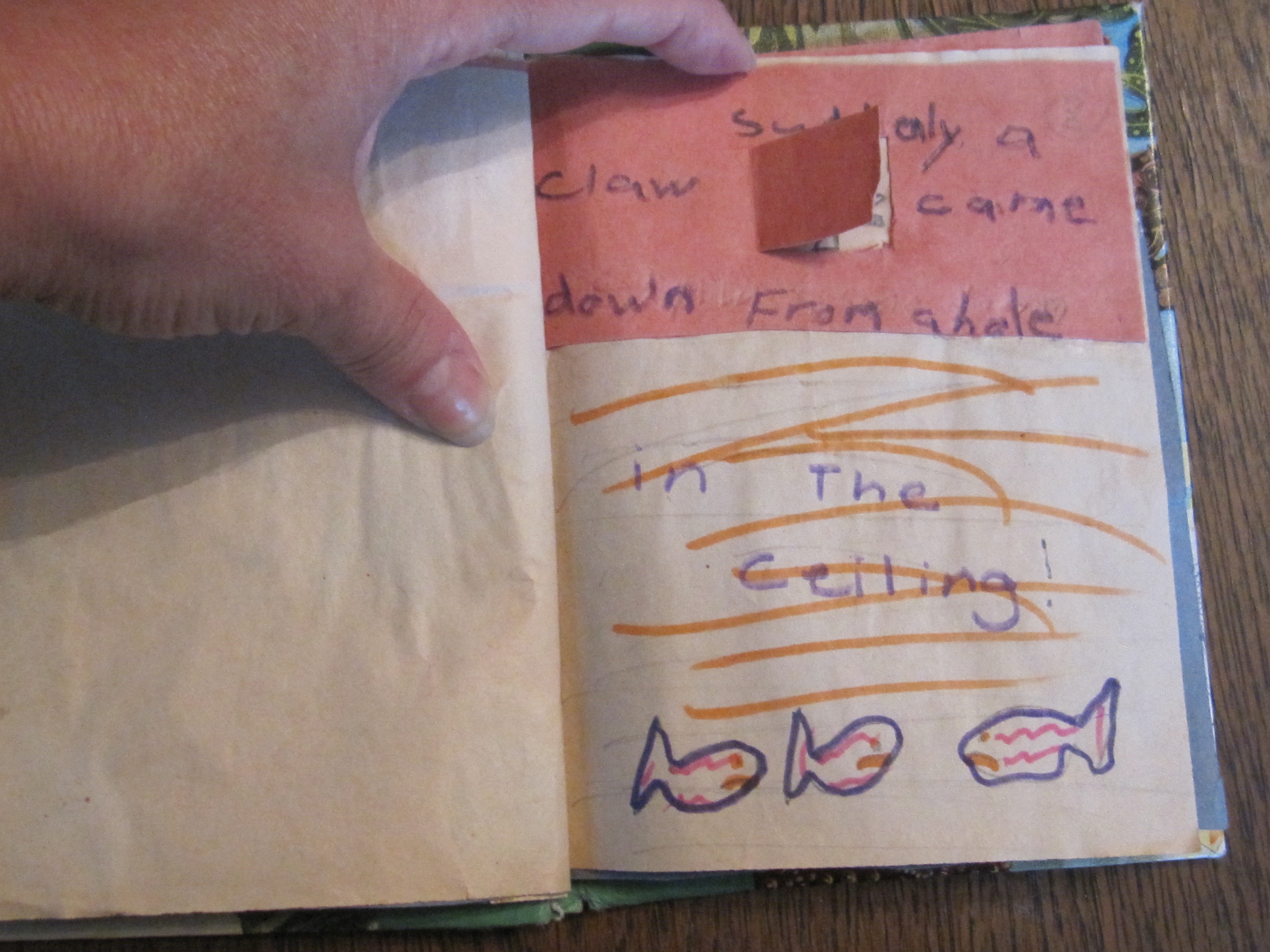
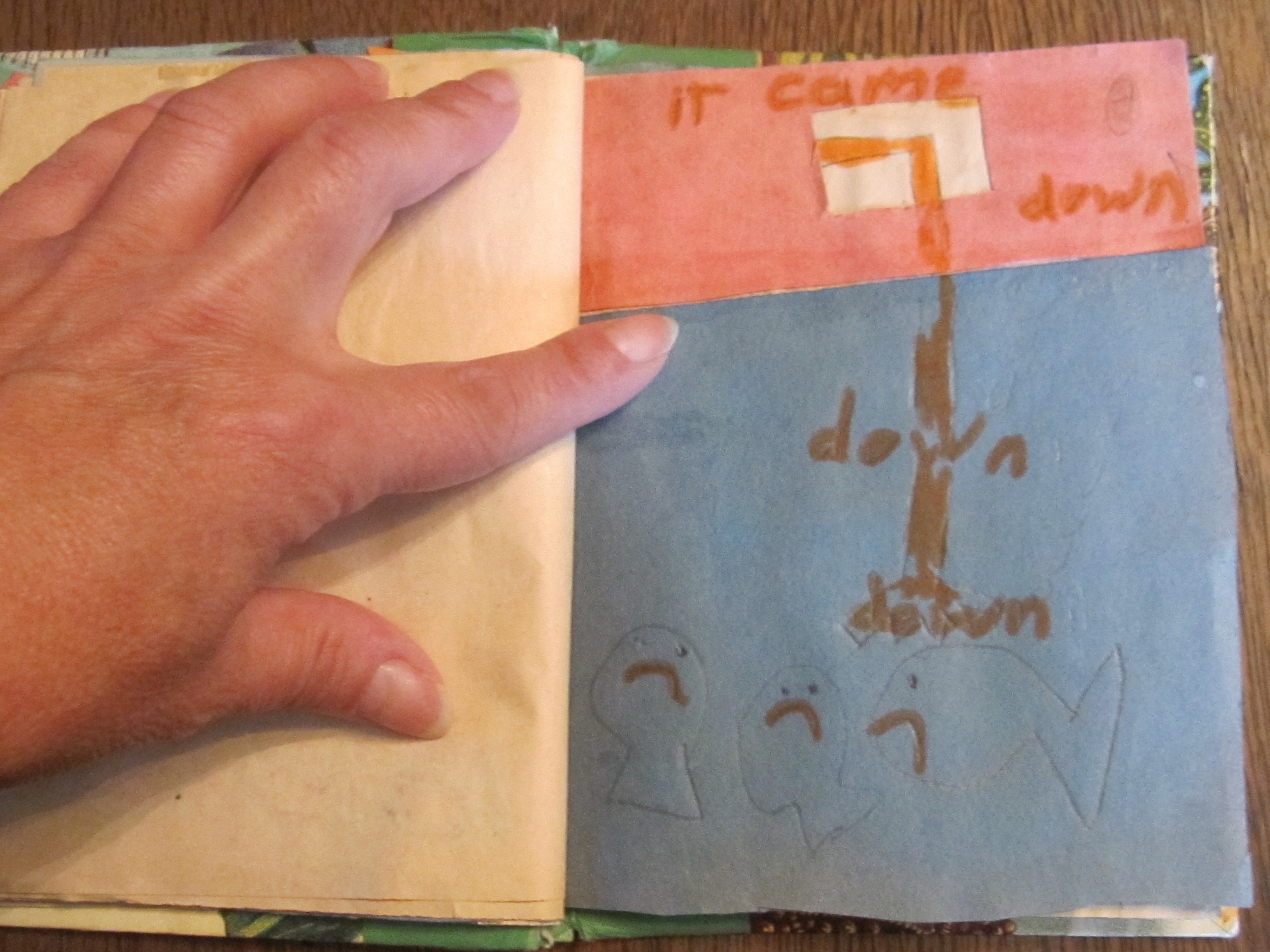
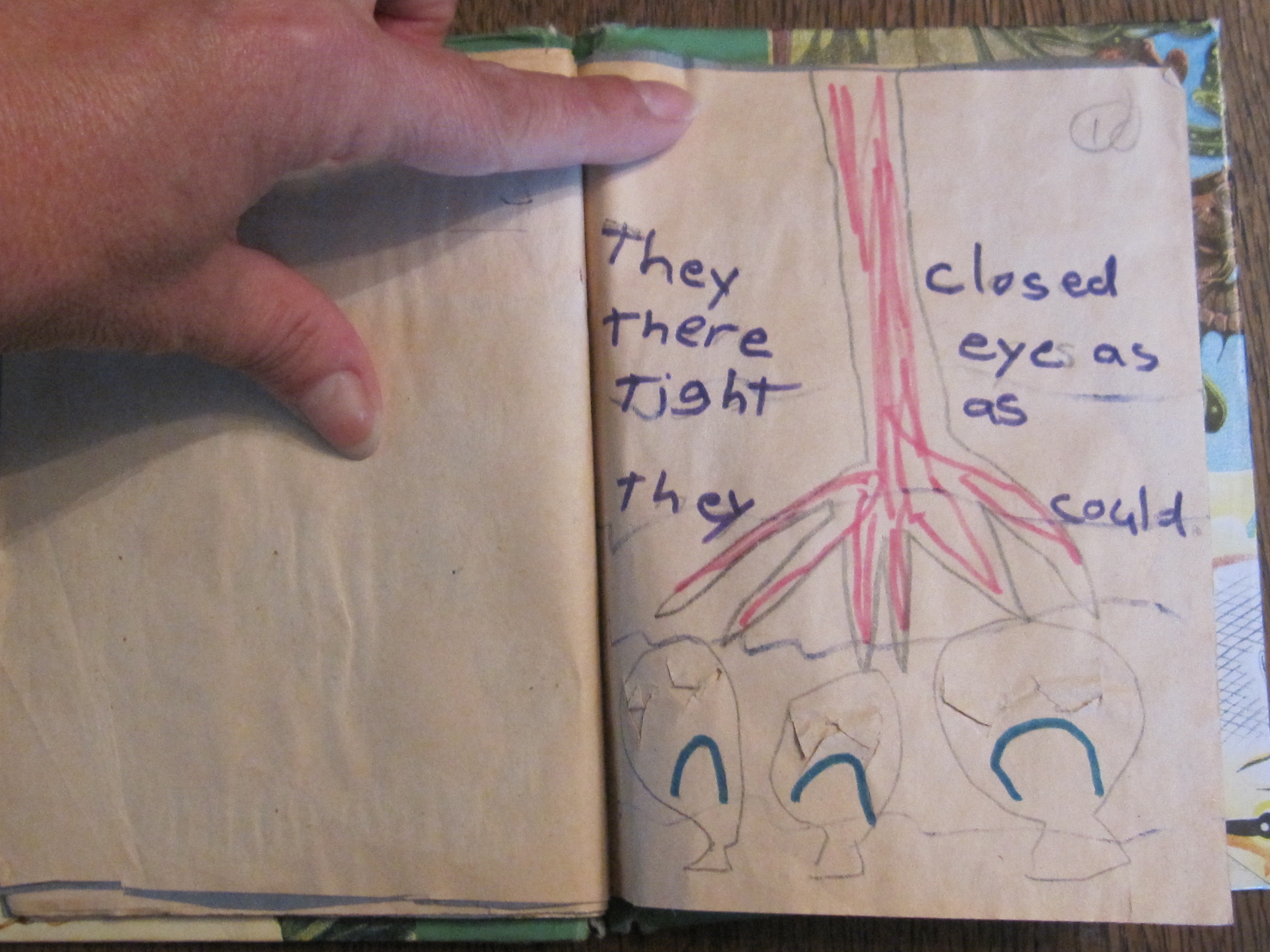
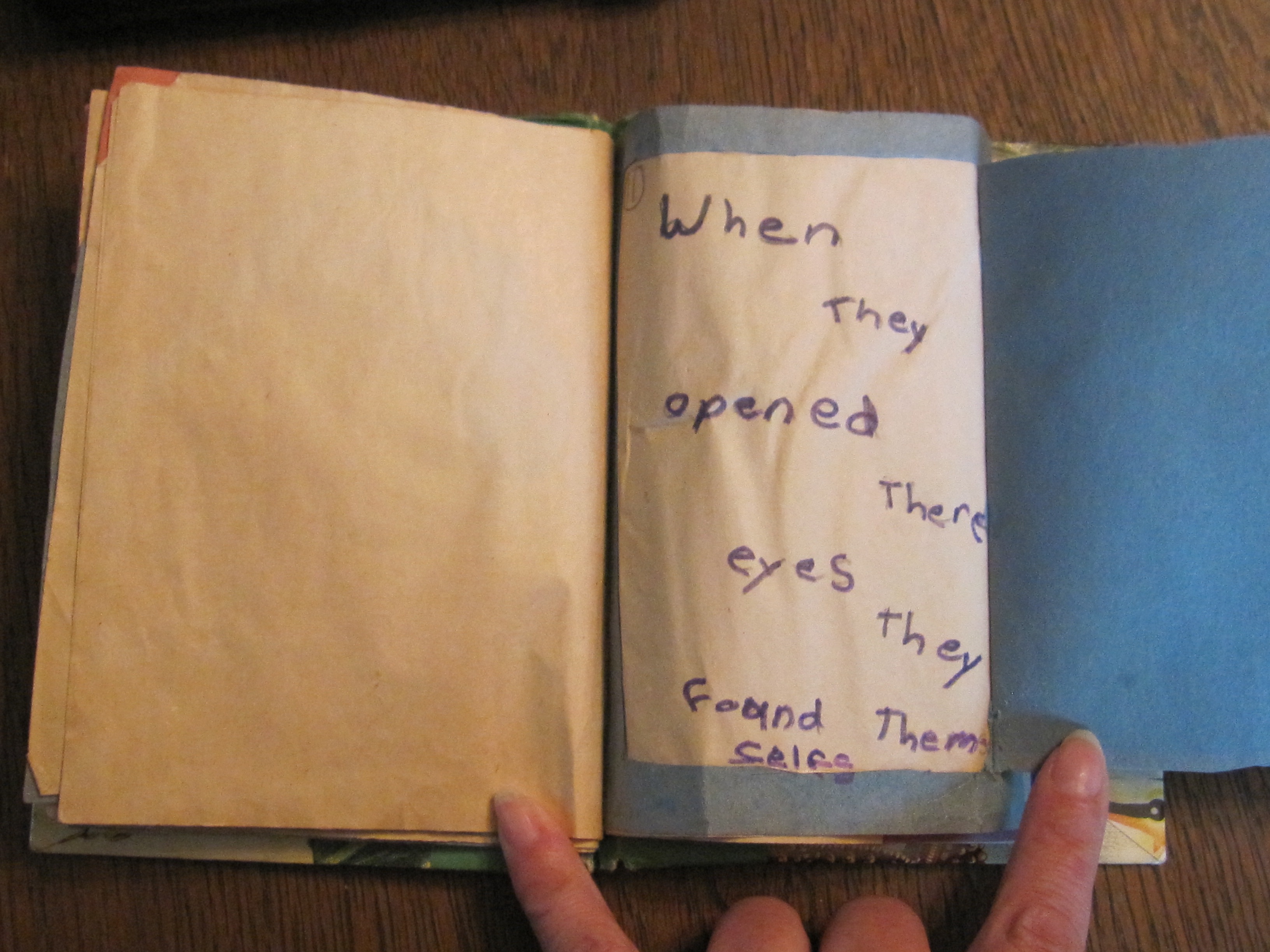
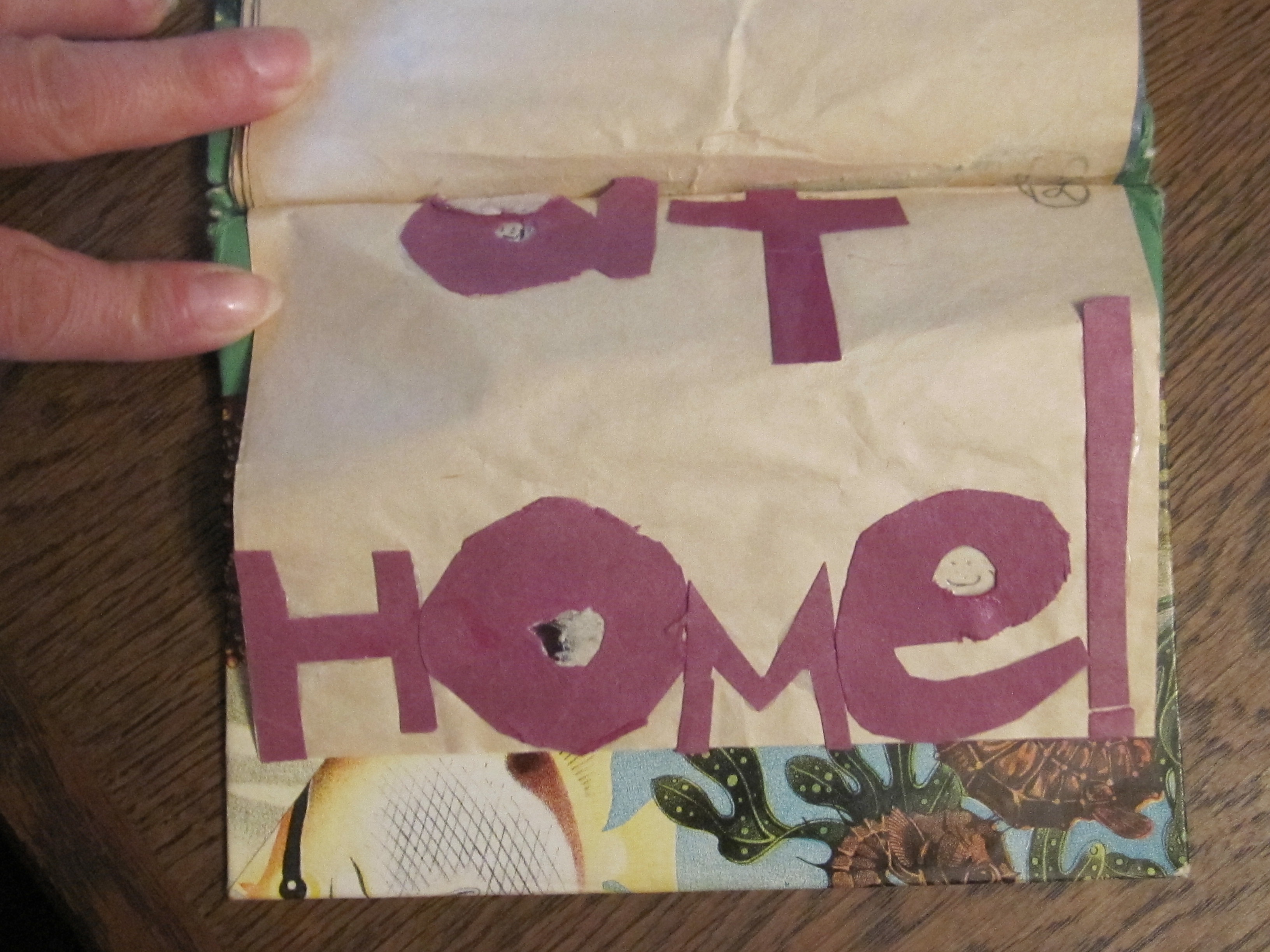
So why am I announcing my first published book? Because when I was in Pasadena, California this summer, helping my mother move out of her home of 41 years, I found (drum roll) “The Three Fishes.” “The Three Fishes” was my first published book. (Scroll to the end of this post to see it!)

The publisher? Mrs. Paula Rao, a creative, energetic, loving teacher that I had the pleasure of studying with in the first, second and third grades at San Rafael Elementary. She published several of my books, all in hard cover, all with fancy title lettering.

Don’t laugh at my excitement. When you’re seven years old and you don’t know how to write a story (but you also don’t know that you don’t know how to write a story) and a teacher like Paula Rao publishes your book, it matters. You turn a corner. You can imagine yourself as a writer. You can imagine yourself doing anything that you can imagine.

Amidst piles of decades-old memorabilia, I also found a book I wrote that was illustrated by my best friend from those years, Desiree Larsuel (now Rollins). I found another book that I wrote which listed her as editor! I showed the books to Des one night when I took a break from sorting and packing. She laughed and laughed. She remembered those books as clearly as I did. They mattered to her too.

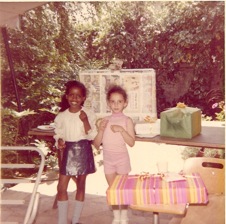
Before the end of the night, Desiree and I (seen in the photo on the left, taken around 1971) were talking about writing a movie, a kind of memoir of our experiences during the early years of integration in Pasadena. You see, my first grade year was the first year of busing — I had attended a segregated kindergarten class in the very same school the year before.

We have many stories yet to tell. Thanks, Mrs. Rao, for helping me to find my voice. I’m using it to give people insight into life in Palestine.

Interview on WZBC Radio

August 20, 2012 by Nora Lester Murad

During my recent visit to the United States, I had the honor of being interviewed on a weekly radio program called This Week in Palestine (no relation to the Palestinian print publication This Week in Palestine). “This Week in Palestine” is a 45-minute weekly program which airs every Sunday from 8:00 am to 8:45 am EST on WZBC 90.3 FM Boston College Radio Newton MA. The program is an integral part of Truth and Justice radio,  a weekly news program which airs between 6-10 am EST every Sunday.

You can listen to my segment at http://archive.org/details/ThisWeekInPalestineInterviewWithNoraLesterMurad. I talked a bit about why I moved to Palestine, the founding of Dalia Association, and problems with the international aid system.

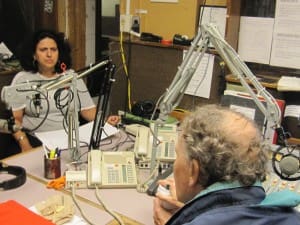
Despina and Stan at BZBC Radio

“This Week in Palestine” (TWIP) provides news, opinions and interviews from a Palestinian perspective. The program is a direct outgrowth of  participation in the Boston Social Forum in 2004 at UMASS Boston. The program has been on the air for over eight years with local Boston activist Sherif Fam as the host until his untimely death in 2010.  The program continues in his loving memory with a team of four co-hosts: Salma Abu Ayash, John Roberts, Chadi Salamoun and Despina Moutsouris. On May 15, 2011 the Community Church of Boston honored TWIP and Truth and Justice Radio with their annual Sacco and Vanzetti Award for promoting truth with justice in the local community. TWIP proudly supports Palestinian self determination, refugee rights, and the Boycott, Divestment and Sanctions movement. The archive of past radio shows can be found on the following website: www.tinyurl.com/twiplist2. The radio station website is www.wzbc.org

Guest post: How Ramadan Made Me a Better Christian by Vicki Tamoush

August 12, 2012 by Nora Lester Murad

Vicki Tamoush, Interfaith Activist

Vicki Tamoush is a second-generation Arab American who lives in Tustin, California.  She holds a Bachelor’s degree in English from the University of California, Irvine and is founder of Interfaith Witnesses. More importantly, Vicki  is one of my dearest and longest friends, and one of the most inspirational peace activists  I’ve ever met. Her faith is palpable , including her interfaith work, but there’s not a judgmental or self-righteous bone in her body. So, it is a HUGE honor to me that she wrote this guest post, partly in response to my post about Ramadan and mothering.

Please chime in with your thoughts and experiences by leaving a comment here.

“How Ramadan Made Me a Better Christian” by Vicki Tamoush

I’m one of those people who always tries to do the right thing.  I drive under the speed limit and recycle my aluminums and love my neighbor as myself and you can find me in church on Sundays.  My friends are doing the right thing, too, but bad stuff keeps happening all around us and I just couldn’t stand it anymore.  So I fasted.

I don’t remember the first time I fasted for a specific intention, but I must have been in my early teens.  I suspect it was in solidarity with Cesar Chavez’ fast or in commemoration of the anniversary of one of Gandhi’s fasts….  What I do remember is that it felt different than any other act I’d ever engaged in: I felt like I was praying with my whole body.  I loved the feeling of engaging my entire being in prayer.

Growing up Arab American, I was always the only Arab at my church, often the only Christian among a group of Arab friends.  I had a unique point of view wherever I went, and I was lucky enough to be exposed to a lot of things that other Christians and other Arab American’s weren’t.  During Ramadan, my Muslim friends fasted from before dawn until the moment of sunset.  It looked impossibly hard, especially when Ramadan fell in the summertime.  The idea of fasting even from water made me look at my Muslim friends as superheroes.

When I was about 22, I moved to Riyadh, Saudi Arabia, where my father worked for two years on contract with a large American corporation.  I found myself not only the only Christian among my group of friends but one of only a few hundred in the entire country.   It was here that I first experienced fasting on a nation-wide level.  It was phenomenal, a cross between Lent and Advent.  There were decorations and flowers everywhere.  People were kinder than ever, greeting strangers as if they were family, and I saw so many Bedouin families gathering to serve huge communal meals to people in poverty.  I came to love the sound of the cannon being shot to signal far and wide the moment of the sun’s setting.  Cold water and dates were consumed, followed immediately by prayer before anyone engaged in a meal.  For centuries, these faithful Muslims had fasted out here in the desert where it was scorchingly hot even when Ramadan did not fall in the summer.

Now, three decades later, I find myself immersed in the interfaith community in Orange County, California, known primarily for its proliferation of conservative politics and yuppie mega-churches.  My circle of friends is comprised of people of every faith you can think of, many of whom fast for various reasons based on their religious beliefs.  My Muslim friends are now in the final week of Ramadan which, again, fell in the hottest part of the summer.

These past few years, I’ve been blessed with numerous invitations both from mosque and individual Muslim friends to share the meal to break the fast at sunset.  I’ve attended many of these in my life, and the rhythm of these ritual meals, the cadence of the evening, the precisely timed corporate worship are somehow comforting to me.  Iftar feels the same to me as the communal meals we share at my church during Lent.  It’s a time when everyone allows themselves to be loved.  Everyone is focused on the group gathered together, rather than on any individual.  Things are mostly the same at each iftar and each Lenten supper.  Little kids run among the tables while old friends cluster to chat.  The fast is never a topic of conversation; it’s all about community.

To experience Ramadan more deeply, some of us non-Muslims decided that whenever we were invited to an iftar, we would fast that day, a sort of solidarity fast.  I personally chose a specific intention for my fasts: one time, I prayed for a healthy pregnancy for my cousin.  Another time, I focused on the huge number of people in my church who were looking for employment.  Last year, I was invited to 8 iftars and this year 10, a mix of those held in mosques and more intimate in-home meals.  Again this year, the cadence of Ramadan was comforting and familiar; I found that the past two years, I’ve looked forward anxiously to this month.  On its surface, it’s a month of denial from one new moon to the next, but I find it to be a month overflowing with an abundance of fellowship and love, of needs being met.  There is charity of every sort, including charity of spirit.  No harsh words are spoken; people are quick to forgive what would normally rise to a conflict.

When my Muslim hosts learn that I’ve fasted when accepting an invitation to iftar, they are more than gracious and more than curious.  Some expect that I allowed myself to drink water (I didn’t) and some thought I felt deprived (I didn’t) but all were, without exception, more impressed than I deserved.  To me, it is natural to do this.  How could I accept an invitation to break a fast I hadn’t participated in?  How could such an iftar hold any meaning for me?

It’s not inconceivable that next Ramadan I may find myself fasting the entire month, new moon to new moon.  Having now discussed fasting traditions with so many Muslim friends, I’m wondering if anyone will want to participate in my “Lenten Promises” as we Christians refer to our commitments.  I don’t see these experiences as the dilution of our faiths; I see them as intimate acts of sharing, of connecting spiritually.  It’s been amazing to learn how much I’ve received by giving something up.


Ramadan and Mothering

August 1, 2012 by Nora Lester Murad

Everyone around me seemed to be irrationally angry. I felt my neck tighten – a defensive reaction – but tried to stay calm and think logically. Why is everyone freaking out because my daughters, who are Muslim, are fasting for Ramadan?

This is not the first time we’ve been in the United States during Ramadan. And it’s not the first time that people we know get concerned and even embarrassed that we fast (e.g., “how can you come to the party if you aren’t going to eat?”). But it is the first time I’ve had an organized children’s program threaten to kick my daughters out if they refused water during the sunlit hours.

They do have a point: It’s terribly hot. The girls are engaged in extensive physical activity. If they don’t drink, they could get dehydrated. They could get headaches, feel tired, even faint.

My daughters don’t agree: “It’s our religion. No one else has the right to tell us if we can follow our religion or not.” True, I tell them, but the children’s program isn’t saying they can’t fast. They are saying the girls can’t participate in the program’s physical activities if they are fasting.

From a strictly legal perspective, I see two sides. On the one hand, the program doesn’t want liability for any short- or long-term harm caused to them by not drinking during physical activity. That’s understandable. But on the other hand, they aren’t forcing other children to drink. They offer liquids and encourage drinking, but they don’t watch the children, measure their intake, and pull them out of activities if they don’t drink a predetermined minimum amount. How can they enforce their “must drink” policy (never before articulated) only on my children, the only Muslims in the program?

But the legal perspective isn’t the interesting one to me. The interesting (and painful) question concerns mothering. Every single reaction to my daughters’ fasting implied that a good mother would not allow her children to fast, and especially not when they are at camp during a hot summer.

Am I a bad mother?

On a normal summer day, I do require my children to drink lots. I mandate massive amounts of sunscreen. And I’m known on more than one continent as the “bedtime police” because I’m so inflexible about getting enough sleep. So why am I lax about eating and drinking during Ramadan? It’s not because I’m a blind follower of religion. There are lots of aspects of Islam and all organized religions that I don’t accept and would have difficulty tolerating. Believe me, I’m not the type to accept anything just because it’s written in a book.

I support my daughters’ observance of Ramadan because I believe it has value. I realize it even more now as I contemplate all the criticism I’m getting. It seems that many people in the US take things for granted, for example, that people are entitled to be comfortable even when others around them aren’t and that personal freedom is more important that collective obligation.

How can I explain this to a person who has never fasted for Ramadan, Lent, Yom Kippur, or any other voluntary reason? How can I put into words that on the other side of the pain in your stomach that moves to your head and makes your knees weak is a state of deep calm in which you realize that physical comfort enables certain kinds of understanding but denies other kinds of understanding? How can I help them understand that when you’re fasting, and nearly everyone around you is fasting, there is a profound sense of togetherness that you can’t reach when daily disparities between the well-fed and the hungry define everything else? And how can I convince them that after the first few, hard days, you begin to appreciate how strong you are in ways you never knew?

So I take a deep breath and say to my critics: “There are one billion Muslims in the world.” Most of them fast for Ramadan and they go on living.”

“They don’t do hard, physical activity all day in the heat,” they answer back.

“Some of them do. Some Muslims are farmers and construction workers and traffic cops.”

“But they don’t work as hard as Americans!”

Ouch. That hurt, though I can see some truth in it. People do slow down a lot during Ramadan. They do reschedule their days to sleep more and stay out of the heat. So I wonder why the camp can’t just let my kids fast, but let them take it a bit easier when they need to?

The critics: “In California, you’d get fired if you didn’t drink water at work.”

“What? You mean employers can fire Muslims for fasting?”

“The employer will get fined if workers health is at risk.”

(I am getting angry.) “Really? Then have they banned fast food, which is a known risk to health? Smoking? Stress?

Them: “I would NEVER allow my child to play even one soccer game without drinking.”

Ouch again. They are saying plainly that I am a bad mother. Does that mean that something like one half billion Muslims are “bad parents” because they respect the obligation to fast for Ramadan and consider it normal for their children to fast? Would I be a better mother if I pulled my girls out of a valuable camp experience so they could sleep all day?

For Muslims, fasting during Ramadan is an obligation, not a choice, but I don’t force my children to fast. They choose to fast, and I believe they are mature enough to make that decision. Even my youngest daughter, only 8 years old, often chooses to fast half the day and sometimes the whole day. By letting her decide, she learns the limitations of her own body, and she reaps the benefit of making her own decisions. Like the youngest, the older two have found there were days when they couldn’t fast, and they “made up” those fast days later in the year. Islam accounts for the fact that people get sick, travel, etc.

As my physician, who is also a sheikh, says: “Islam isn’t trying to harm you.”

Faithful people believe that God protects those who are fasting. Even people who don’t believe in God must be able to see how faithful people are strengthened by their faith.

As I write this, I have just served my girls their “suhur” meal (the meal before the sunrise, before the day’s fast starts) and I made them drink lots and lots of water. Later, I will send them to the program and they will decide if they can fast today or not. I will speak to my daughters at noon and again in the late afternoon to see how they are feeling. I will speak with the program’s staff to see if there are any behavioral alarm signals that warrant my intervention.

Most importantly, I will continue to talk to the girls about their right to practice their faith the way they choose to (based on informed and thoughtful consideration of various perspectives) and to not blindly follow what others believe is right for them– not religious officials and not camp officials either.


Credit: Wikimedia Commons

Go Palestinian Olympic Team!

July 28, 2012 by Nora Lester Murad

Ahmed Gebrel, swimmer, 2012. Photo used with permission of the Palestinian Olympic Swim Team Coach.
  • « Previous Page
  • 1
  • …
  • 17
  • 18
  • 19
  • 20
  • 21
  • …
  • 25
  • Next Page »

Recent Posts

  • Children’s Picture Book Review: “Never Again for Anyone”
  • Members of Educators Union Say Its Capitulation to ADL Betrays Workers, Students
  • On Teach Truth Day of Action: The Movement to #TeachTruth Includes Palestine, Too
  • How do we get the ADL out of schools? A conversation with Nora Lester Murad of #DropTheADLfromSchools.
  • The convos jumbled in my heart and head

Tweets!

Could not authenticate you.
  • Contact Me
  • About Me
  • Archive
  • Sign up for updates

Copyright © 2026, All rights reserved
Website Maintained by AtefDesign